The Lower East Side After the New Museum
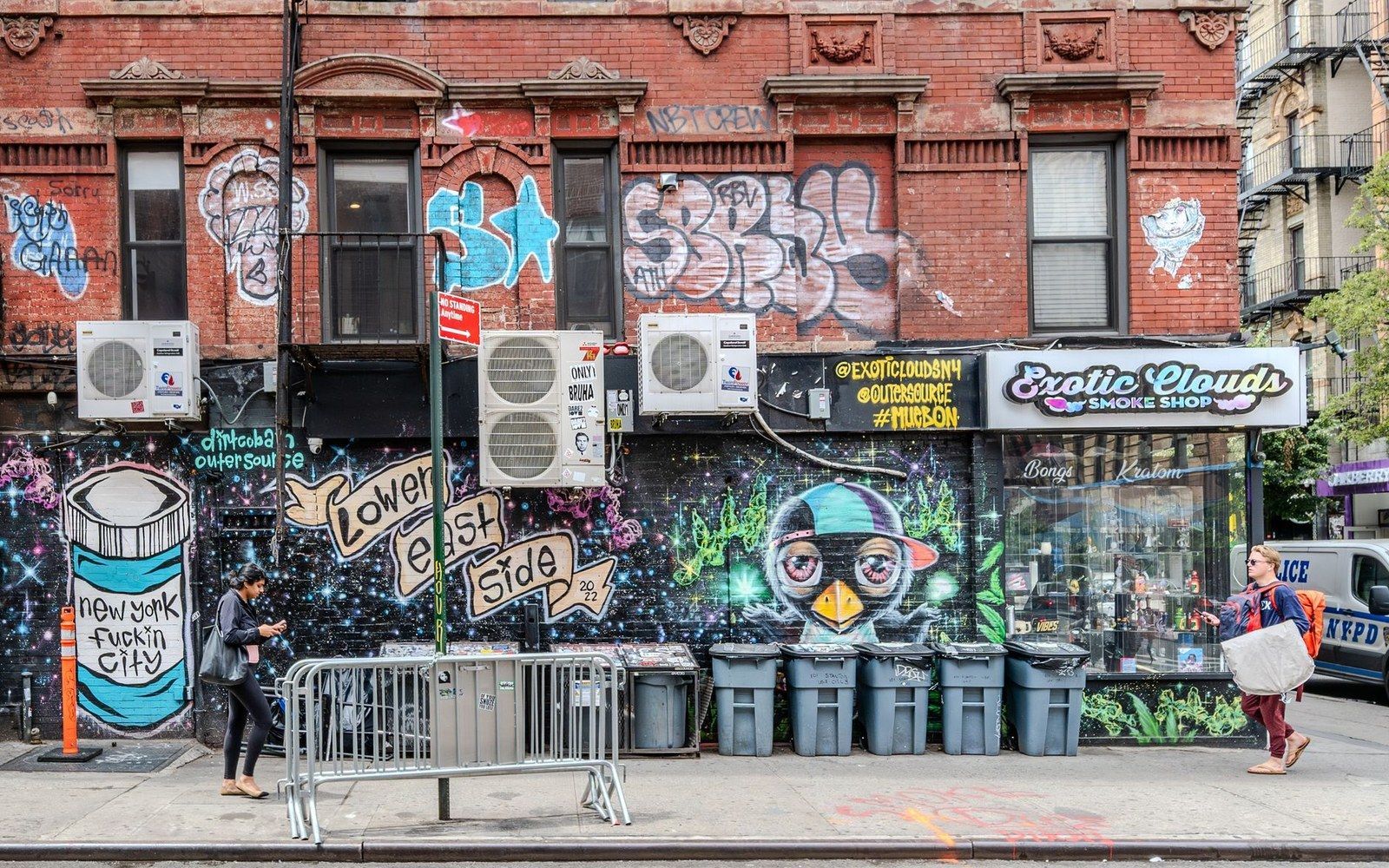
Storefront galleries on Orchard, Rivington and Eldridge, opened in the years after the New Museum arrived on the Bowery.
Photo: Marcelo Gonzalez / Pexels
How a Stacked Building Changed the Blocks Around It
When SANAA's New Museum opened on the Bowery in December 2007, its aluminium-mesh stacked boxes announced something to the neighbourhood that no press release could have managed as efficiently: serious institutional money had arrived south of Houston. The galleries read the signal first.
The blocks immediately east of the Bowery — Orchard Street, Rivington Street, Eldridge Street — had been quietly accumulating small commercial spaces throughout the mid-2000s, when rents in Chelsea had already made a West 22nd Street foothold unthinkable for a young dealer working without a blue-chip program. The Lower East Side offered something Chelsea once had and had since surrendered: cheap, awkward storefronts with low ceilings and no loading docks, the kind of rooms that force a gallerist to think about scale rather than spectacle. That constraint attracted a specific sensibility.
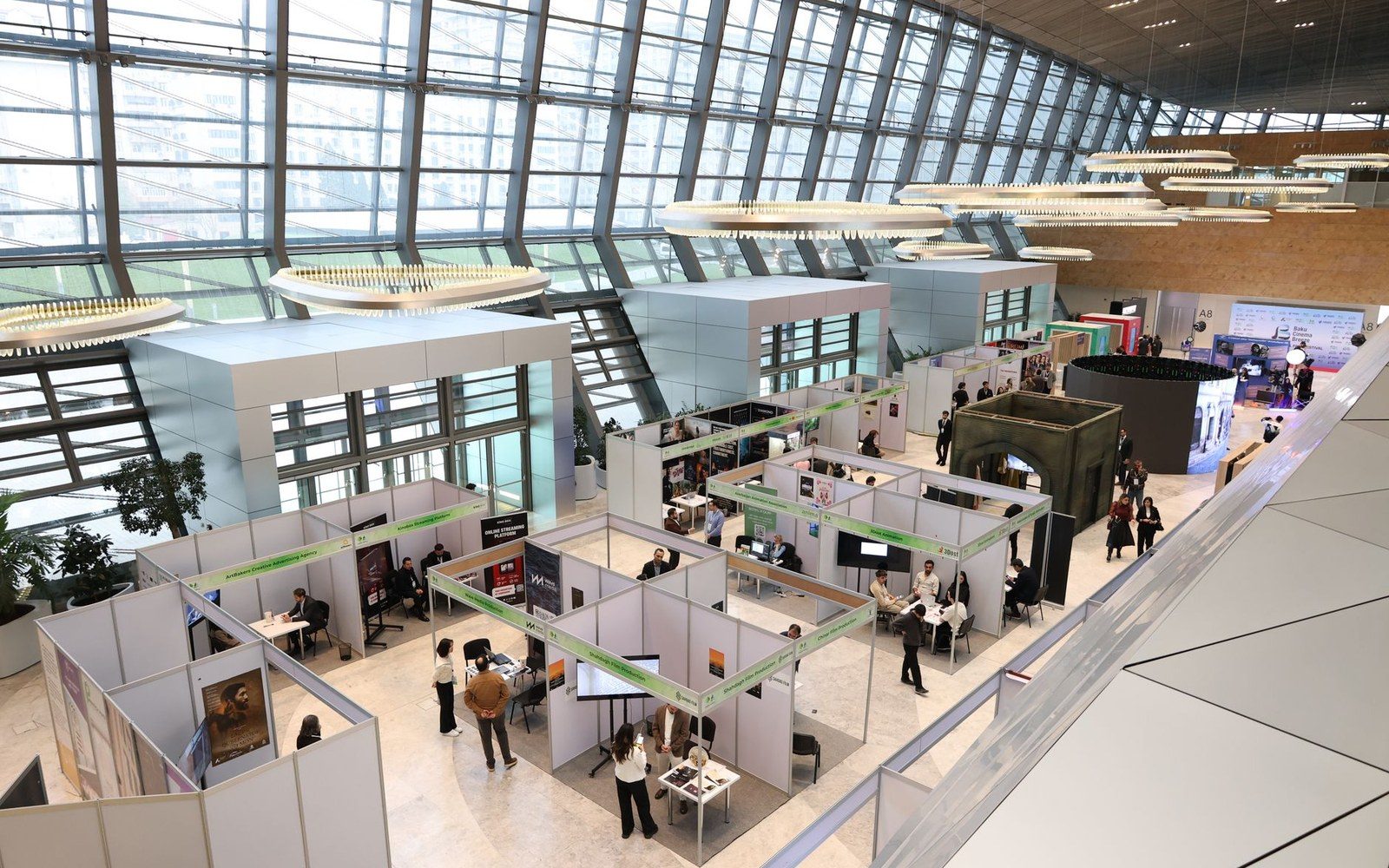
A hall hired for five days, where the route between dealers is built rather than found.
Photo: Tahir Xəlfəquliyev / Pexels
Orchard Street was the pivot. Eleven Rivington, opened in 2007 by Augusto Arbizo, was among the earliest to plant a flag in the immediate vicinity, working with painters at a moment when painting was returning to critical favour after its conceptual interlude. Sperone Westwater — which would not complete its landmark Norman Foster–designed Bowery building until 2010 — had already been operating on Greene Street in SoHo and its eventual Bowery relocation reinforced the institutional legitimacy the New Museum had seeded. Around Rivington and Orchard, smaller operations clustered: Lehmann Maupin opened a Lower East Side space; Marlborough Chelsea signalled awareness of the drift; and a constellation of genuinely independent dealers — Essex Street, Situations, Reena Spaulings Fine Art — pursued programs that were explicitly anti-spectacular, their storefronts functioning almost as argument against the white-cube gigantism that had overtaken West Chelsea.
Reena Spaulings Fine Art, which had been operating since 2004 a narrow East Broadway storefront, became something of a theoretical touchstone for the neighbourhood's character. The gallery's roster was deliberately opaque, its openings social events in the tradition of the Fun Gallery's East 10th Street vernissages a generation earlier, and its program tested the boundary between a commercial gallery and an alternative space. That ambiguity — is this a gallery or a project? — was the Lower East Side's defining mode.
- Mid-2000ssmall galleries begin accumulating on Orchard, Rivington, Eldridge as Chelsea rents foreclose entry
- December 2007SANAA's New Museum opens on the Bowery; institutional signal changes foot-traffic patterns
- 2004–ongoingReena Spaulings Fine Art operates on Orchard Street; becomes critical touchstone for neighbourhood identity
- 2009–2010Orchard Street develops recognisable gallery Saturday rhythm; museum visitors connect to storefront circuit
- 2010Sperone Westwater completes its new Bowery building, reinforcing institutional weight of the corridor
- 2012–2013renegotiated retail leases begin displacing earliest, most experimental operators
- ~2015pressure pushes galleries further east; frontier logic repeats toward Clinton and Attorney Streets
The New Museum's presence also drew foot traffic that the neighbourhood had not previously experienced from an art-world public. Museum-goers who arrived for a Saturday opening found themselves on a Bowery block that connected, within two or three minutes' walking, to a dozen gallery storefronts. The clustering logic that had operated in SoHo and then in Chelsea reasserted itself at a smaller, cheaper scale. Orchard Street in particular developed a recognisable gallery Saturday rhythm by 2009 and 2010.
The rents answered predictably. According to data tracked by the Real Estate Board of New York, retail asking rents in the corridor between the Bowery and Essex Street rose meaningfully in the years following the museum's opening, tracking the pattern the High Line would accelerate in Chelsea after 2009. The galleries that had arrived earliest were already on short leases; by 2012 and 2013, several of the storefronts that had hosted the neighbourhood's most experimental programming were facing renegotiated terms that their sales volumes could not always absorb.
Orchard Street was the pivot.
That pressure pushed some operations further east, toward Clinton Street and Attorney Street, replicating in miniature the frontier logic that has governed every New York gallery migration: institution arrives, rents follow, dealers move to the next cheap block. Others absorbed the increase by building collector bases substantial enough to justify the cost — a sorting mechanism that tends to consolidate galleries with commercially viable programs and disperse those whose value was primarily critical.
What the Lower East Side demonstrated, in the years between the New Museum's opening and roughly 2015, was the compressed speed at which the cycle now operated. In SoHo it had taken the better part of a decade for institutional gravity to translate into unaffordable rents. On the blocks around the Bowery it took perhaps five years — a sign not that the neighbourhood was exceptional but that New York's real-estate metabolism had accelerated to a pace the gallery economy was finding harder and harder to outrun.
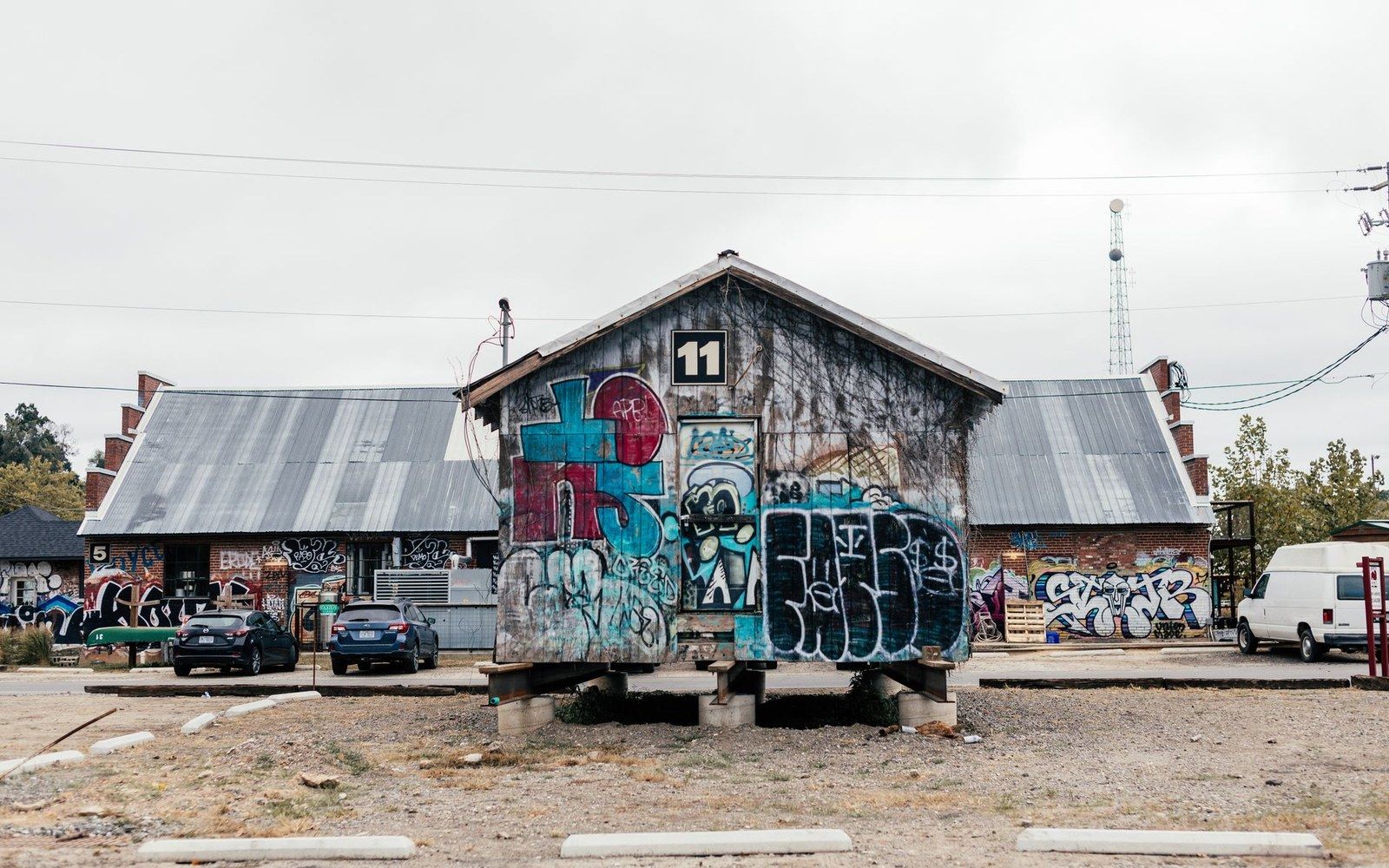
Elsewhere in Downtown: Pioneer Works in a Red Hook ironworks building, opened 2012: residencies, concerts and exhibitions outside the commercial map. Pioneer Works and the Argument for Red Hook
Photo: Rachel Claire / Pexels