Bushwick's One Decade
The cheapest square footage in the city, the most unfiltered new work — and why it didn't last.
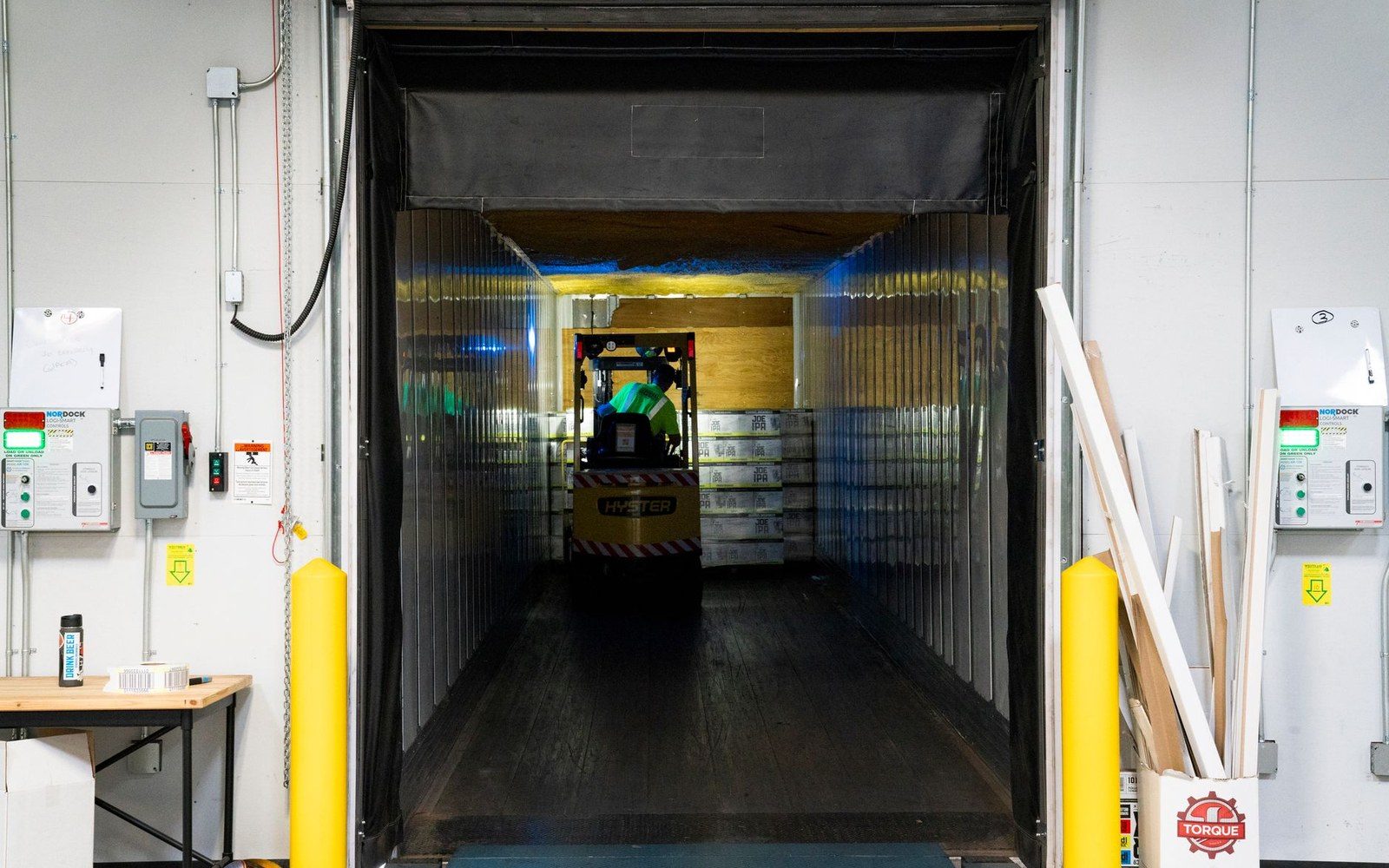
Bushwick’s warehouse galleries, where the cheapest square footage in the city briefly held the most new work.
Photo: ELEVATE / Pexels
How a Manufacturing District Became a Gallery District
By the mid-2000s, working artists priced out of Chelsea and the Lower East Side were crossing the Williamsburg Bridge and pushing further east into Bushwick, a manufacturing and residential neighbourhood in north Brooklyn whose cheap warehouses and former factory floors offered exactly what SoHo had given dealers in 1968: volume, height and below-market rent. Open-studio weekends — above all the annual Bushwick Open Studios event, which began in 2007 under the auspices of Arts in Bushwick — turned scattered studio clusters into a legible scene, drawing collectors and curators who might otherwise have stopped in Manhattan.
The galleries that followed were, almost by definition, young and under-capitalised. Storefront projects and warehouse exhibitions multiplied along Flushing Avenue and the blocks around the Jefferson L-train stop. The model was closer to the East Village of 1981–88 — high turnover, low overhead, high risk — than to the institutionalised Chelsea grid. Because lease terms were short and spaces informal, precise opening dates rarely entered the record the way a Castelli or a Matthew Marks signing did.

The back office is where a district is actually run: leases, shipping schedules and the artists’ accounts.
Photo: Nic Wood / Pexels
What distinguished Bushwick was scale: studios and exhibition rooms shared the same buildings, collapsing the distance between making and showing. That informality attracted artists early in their careers, and for roughly a decade — 2007 to about 2017 — the neighbourhood sustained a genuine density of new work that no other outer-borough location matched.
Closure came through the same mechanism that had cleared SoHo and the East Village before it: the neighbourhood's own visibility drove rents upward, squeezing out the artists whose presence had made the area worth visiting. By 2018, many studios had migrated to Ridgewood or further along the J and M lines. The decade was real while it lasted; the economics that ended it were equally real.
- 2007Bushwick Open Studios founded by Arts in Bushwick; annual event maps the neighbourhood's studios and exhibition spaces
- 2007–2017period of densest gallery and studio activity in Bushwick warehouses
- c. 2018 onwardrising rents displace studios eastward toward Ridgewood and beyond
What distinguished Bushwick was scale: studios and exhibition rooms shared the same buildings, collapsing the distance between making and showing.
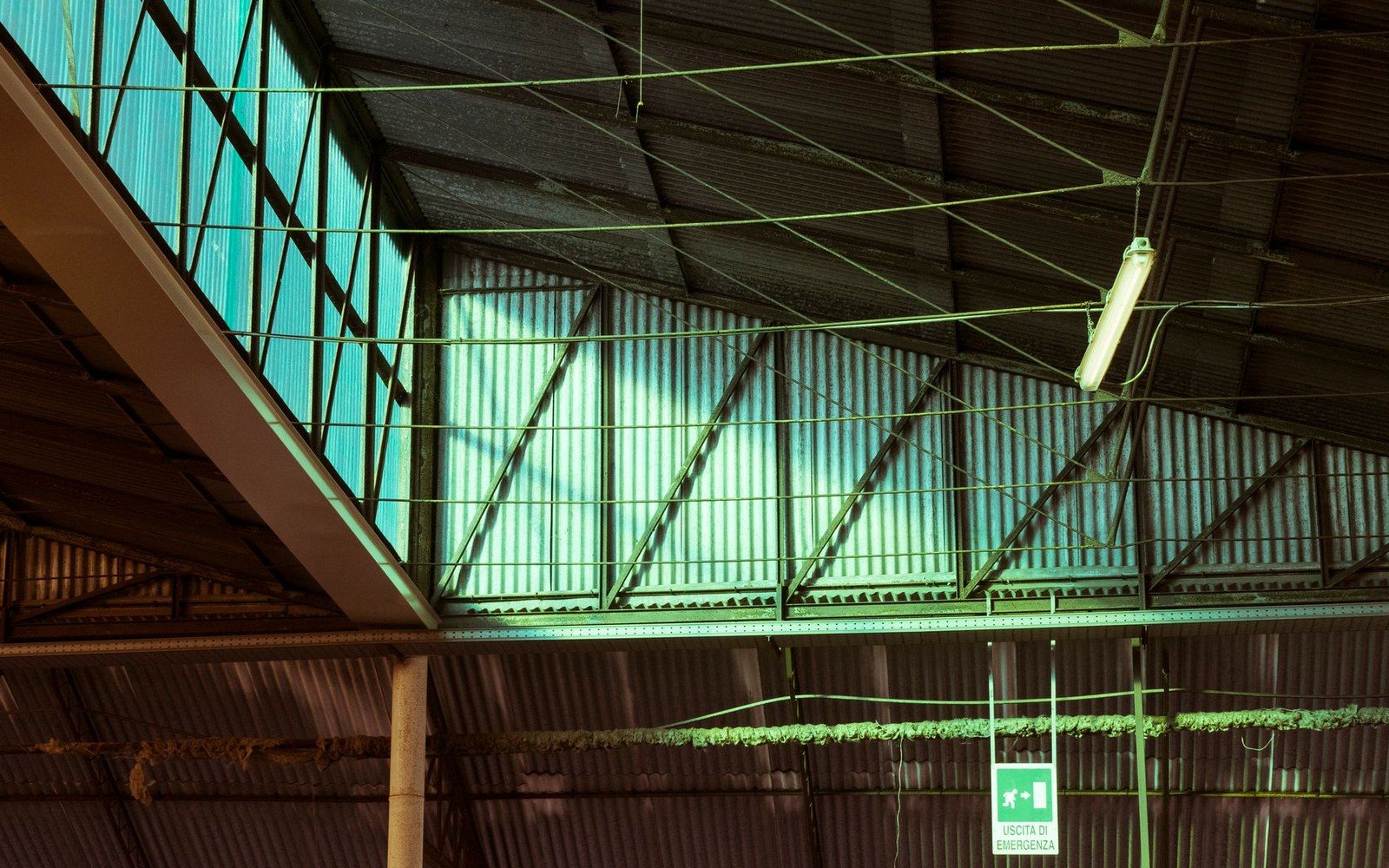
Elsewhere in Downtown: Dia:Beacon in a 1929 Nabisco box plant on the Hudson, opened 2003 — 300,000 square feet under matched skylights. The Nabisco Box Plant at Beacon
Photo: Francesco Paggiaro / Pexels