Pioneer Works and the Argument for Red Hook
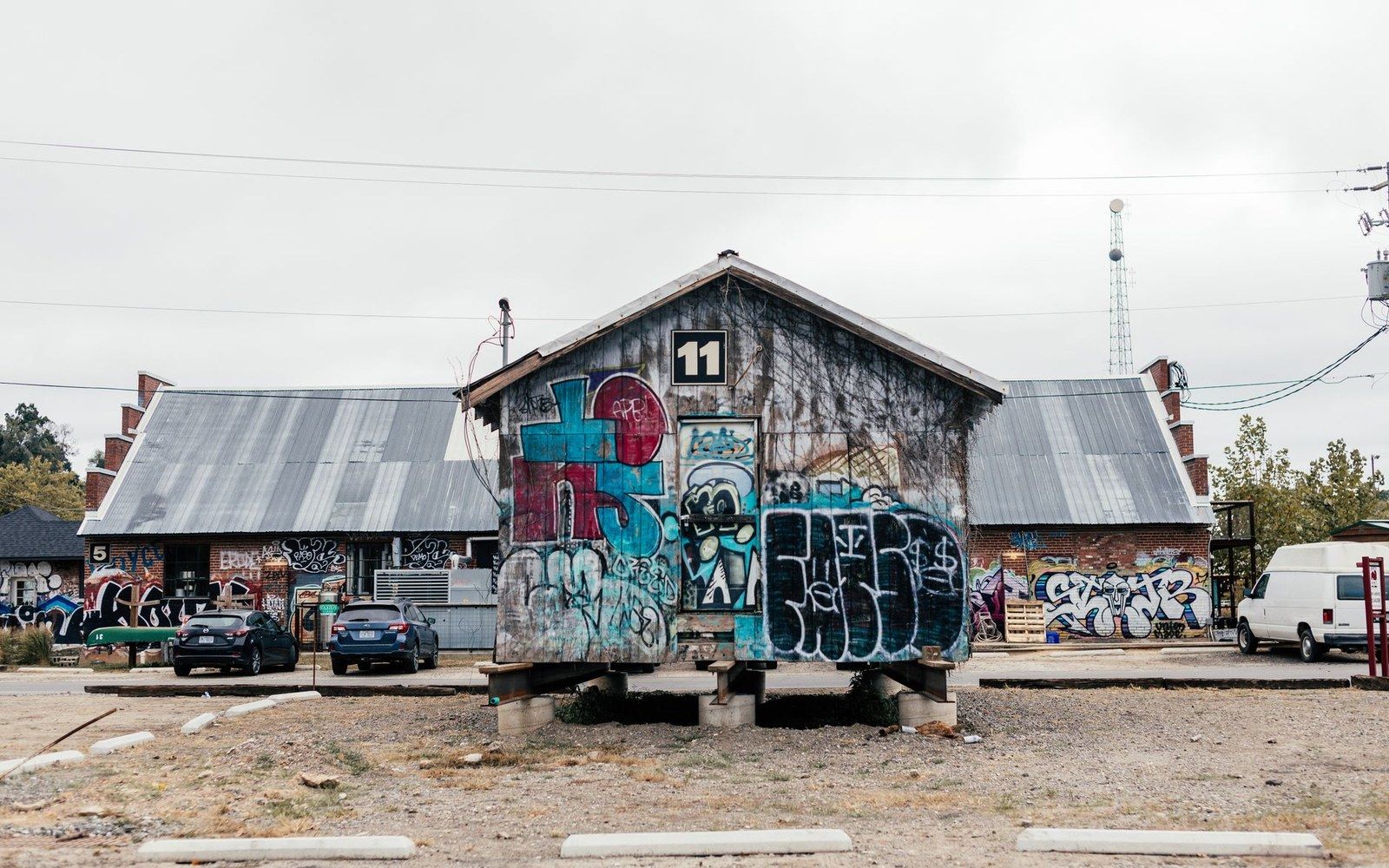
Pioneer Works in a Red Hook ironworks building, opened 2012: residencies, concerts and exhibitions outside the commercial map.
Photo: Rachel Claire / Pexels
One Building, No Commercial Programme
Pioneer Works opened in 2012 in a nineteenth-century ironworks building at 159 Pioneer Street, Red Hook, Brooklyn — a neighbourhood with no subway stop, reachable by ferry or a long bus ride from the Smith–9th Street F/G station. The building, roughly 25,000 square feet of exposed brick and steel-truss construction, was acquired and converted by artist Dustin Yellin, who envisioned a multidisciplinary center for art, science and music rather than a commercial gallery or a satellite of any existing institution.
The programme that emerged is genuinely hybrid: studio residencies for visual artists and writers, ticketed concerts in a ground-floor hall large enough to seat hundreds, science lectures, a radio station and changing exhibitions that carry no sales function. The model is closer to Artists Space or The Kitchen than to any commercial gallery, yet the building's scale and ambition exceed most alternative spaces in Manhattan. Where a Chelsea gallery sells work and a SoHo loft once stored it, Pioneer Works displays, makes and performs in the same rooms simultaneously.

Outside the city the same trade needs acreage, and a figure in the frame is the only way to show it.
Photo: Maurice Engelen / Pexels
The neighbourhood question is harder to settle. Red Hook had an art presence before 2012 — studios had followed cheap rents into its warehouses for years — but Pioneer Works has not, a decade on, produced the gallery cluster that followed Matthew Marks to West 22nd Street or Paula Cooper to West 21st. The foot traffic a commercial district requires — the Friday-evening vernissage crowd, the collector circuit — depends on density, and Red Hook's isolation works against accumulation. A single anchor, however large, is not a district.
What Pioneer Works has demonstrated is a different argument: that an outer-borough industrial building, stripped of the primary-market transaction, can sustain serious cultural life on residency fees, ticket sales, grants and donations. Whether that model eventually draws commercial neighbours, or whether it remains a productive outlier, is a question the High Line's effect on West Chelsea answered one way and Red Hook has so far declined to answer at all.
- 2012Pioneer Works opens at 159 Pioneer Street, Red Hook, Brooklyn
- Building typenineteenth-century ironworks; approx. 25,000 sq ft of brick and steel-truss construction
- FounderDustin Yellin, artist
The neighbourhood question is harder to settle.