What the High Line Did to the Rent
The park that remade the West Side real-estate market arrived one gallery departure at a time.
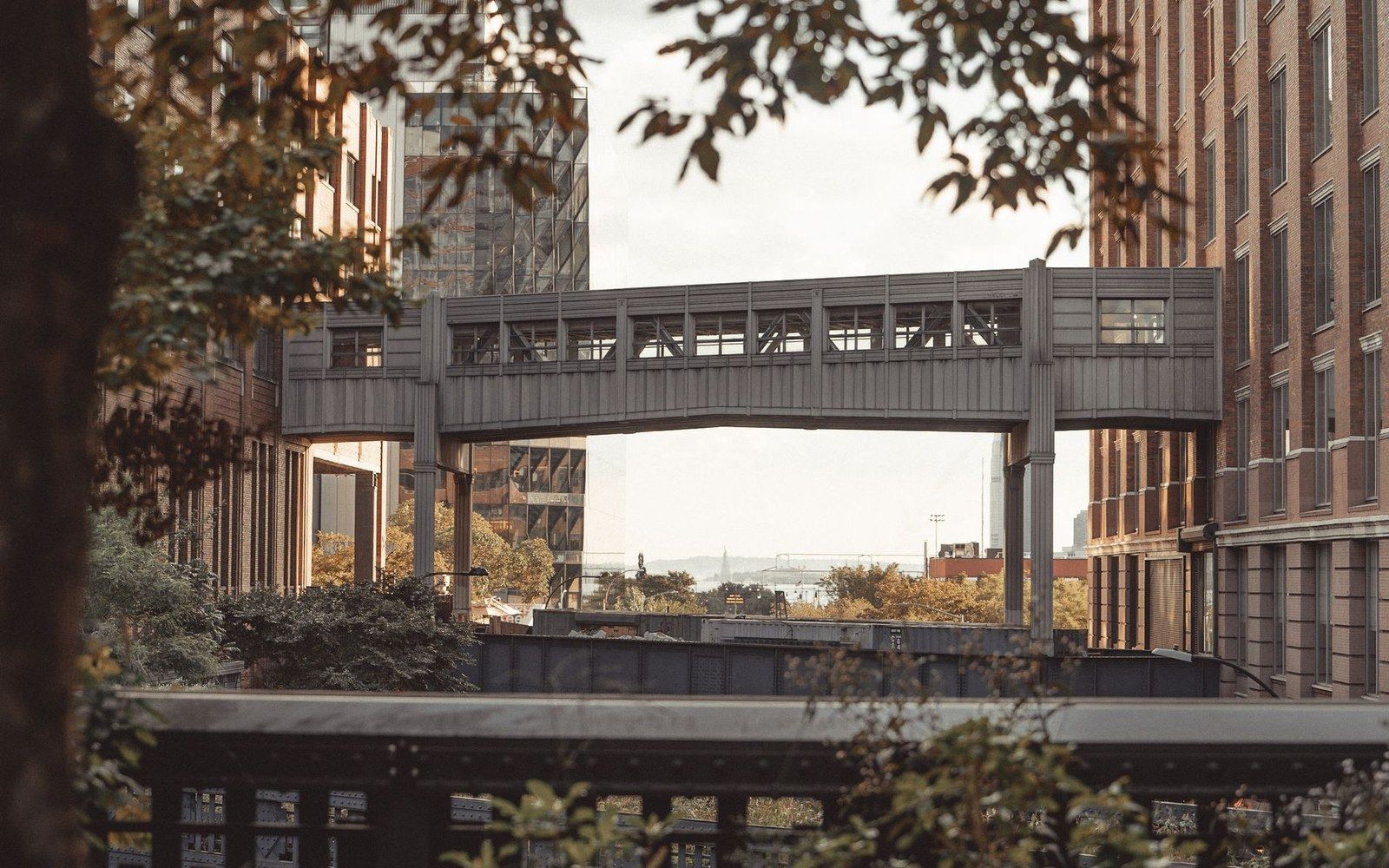
The gallery blocks below the High Line, West 25th to West 29th, after the park opened in 2009.
Photo: Line Knipst / Pexels
The Aerial Park and Its Ground-Floor Consequences
When the first section of the High Line opened in June 2009, running from Gansevoort Street north to West 20th Street, the city's planning commission described it as a catalyst for neighbourhood reinvestment — and in that, at least, it was entirely correct. The elevated park, built on a disused 1930s freight rail spur, drew roughly five million visitors a year by the mid-2010s. What it did to the gallery blocks immediately below was more complicated, and considerably more costly for the people who had built Chelsea into a gallery district in the first place.
Through the late 1990s and early 2000s, West 22nd through West 27th Streets between Tenth and Eleventh Avenues had become the densest concentration of contemporary art galleries in the world. The neighbourhood's draw was simple arithmetic: former printing plants and garages offered column-free square footage at rents that SoHo, by then gentrified beyond usefulness, no longer could. Matthew Marks had signed the first dedicated gallery lease on West 22nd Street in 1994. Paula Cooper followed to West 21st in 1996. By 2008 — the last year before the High Line opened — the stretch of West 24th Street alone contained more than a dozen galleries.
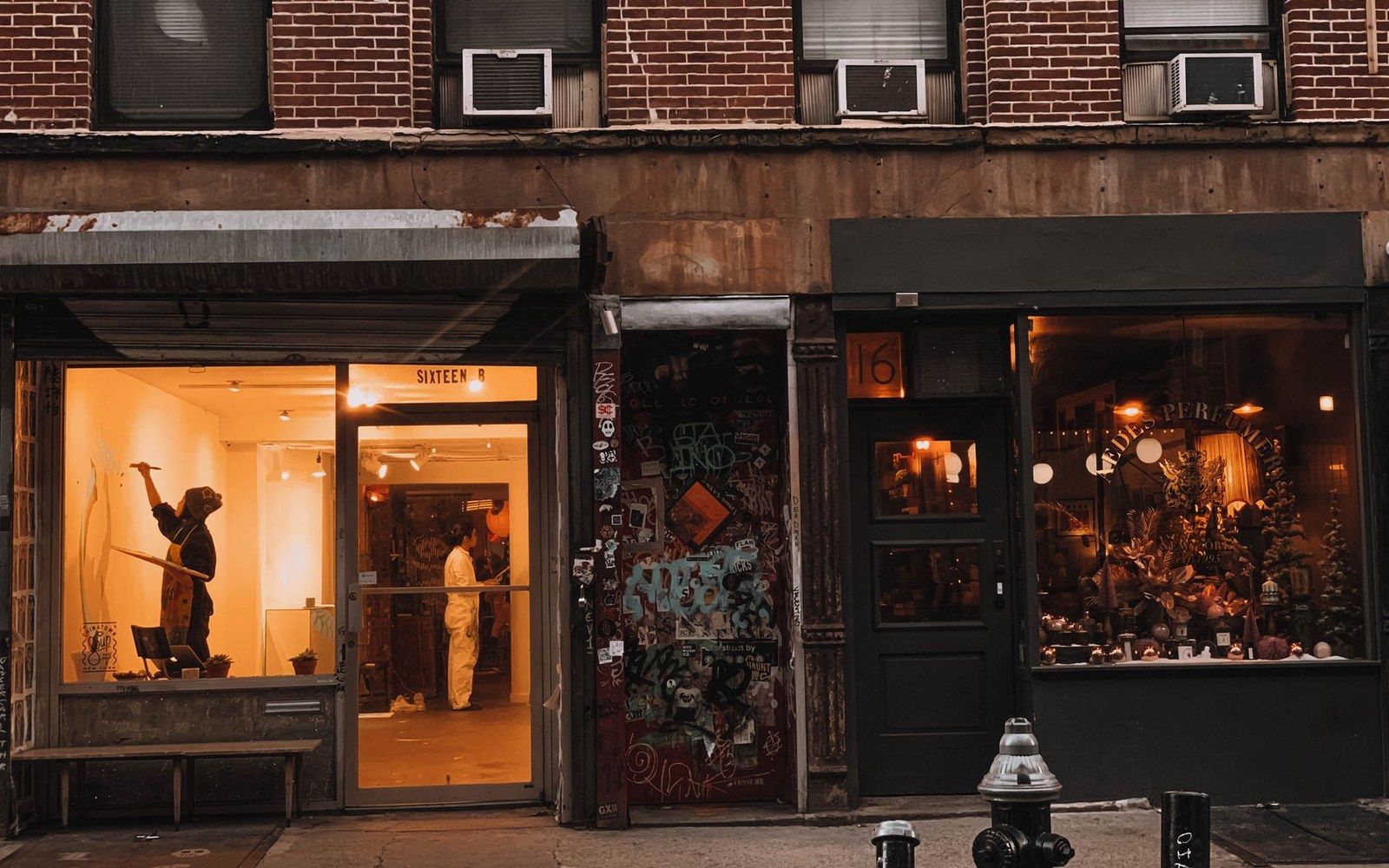
Thursday openings put a whole district on the same pavement for two hours.
Photo: Renato Athayde / Pexels
Rent, Consolidation and the Mid-Size Exit
The High Line's north sections opened in stages: to West 30th Street in 2011 and to West 34th Street in 2014. Each extension pushed residential and hotel development further up the West Side, and commercial rents followed the crane count. According to data published by the New York City Department of City Planning as part of the Special West Chelsea District review, the High Line corridor was rezoned in 2005 in anticipation of the park, replacing manufacturing designations with mixed residential and commercial use. That rezoning unlocked the tower development — the glass condominiums and the Zaha Hadid buildings on West 28th — that would ultimately price out the gallerists below.
Ground-floor asking rents on the blocks immediately adjacent to High Line access points rose sharply after 2011. By 2015, brokers active in the market reported asking rents on West 25th and West 26th Streets that were double what galleries had been paying on initial leases signed around 2000. The figures were not hypothetical: galleries that had structured their economics around lease renewals at moderate increases found those renewals did not materialise at anything close to prior rates.
- June 2009High Line section one opens, Gansevoort to West 20th Street
- 2005NYC Special West Chelsea District rezoning, replacing manufacturing designations
- 2011High Line extended to West 30th Street; rents begin accelerating on adjacent gallery blocks
- 2014High Line completed to West 34th Street
- 2015Ground-floor asking rents on West 25th–26th reported at roughly double 2000-era rates
- 2018Andrea Rosen Gallery closes
- 2021Metro Pictures announces closure
The galleries that left were predominantly mid-size operations — programs serious enough to have survived the move from SoHo but not capitalised at the level of Gagosian, Zwirner or Pace, all of whom either owned their buildings or held the kind of institutional leverage that produces favourable long-term leases. Metro Pictures, which had operated in Chelsea since 1997, announced in 2021 that it would close entirely; Andrea Rosen Gallery had shuttered in 2018. Smaller operations relocated to the Lower East Side, where storefront rents remained a fraction of West 24th Street rates. Others moved to Tribeca. A few dissolved.
The consolidation that resulted reshuffled the ecology permanently. What had been a district where a gallery of moderate means could sustain a serious program became one dominated by the galleries large enough to absorb the new rent floor. Hauser & Wirth, which opened its West 18th Street space in 2013, expanded. Gagosian held multiple Chelsea addresses simultaneously. The High Line had not destroyed the gallery district; it had filtered it, keeping the largest and removing the rest.
The High Line's north sections opened in stages: to West 30th Street in 2011 and to West 34th Street in 2014.
Whether the park's cultural benefit — the audiences it delivered, the visibility it gave the neighbourhood — compensated for the structural losses is a question the remaining galleries answer differently. The five million visitors a year browsed the gardens above West 25th Street. The galleries below, for a time, caught some of that foot traffic. Then they caught the rent that followed it.
Elsewhere in Chelsea: The Starrett-Lehigh Building, Twelfth Avenue, 1931: Cory & Cory’s freight terminal, its ribbon windows and truck elevators. The Starrett-Lehigh Building
Photo: Brian Shirley / Pexels
| Stayed | Gagosian, Zwirner, Pace, Hauser & Wirth (building owners or large-lease holders) |
|---|---|
| Left or closed | Metro Pictures (closed 2021), Andrea Rosen Gallery (closed 2018); others relocated to Lower East Side or Tribeca |
| Pattern | mid-size galleries most vulnerable; the High Line filtered by capitalisation |