The Starrett-Lehigh Building
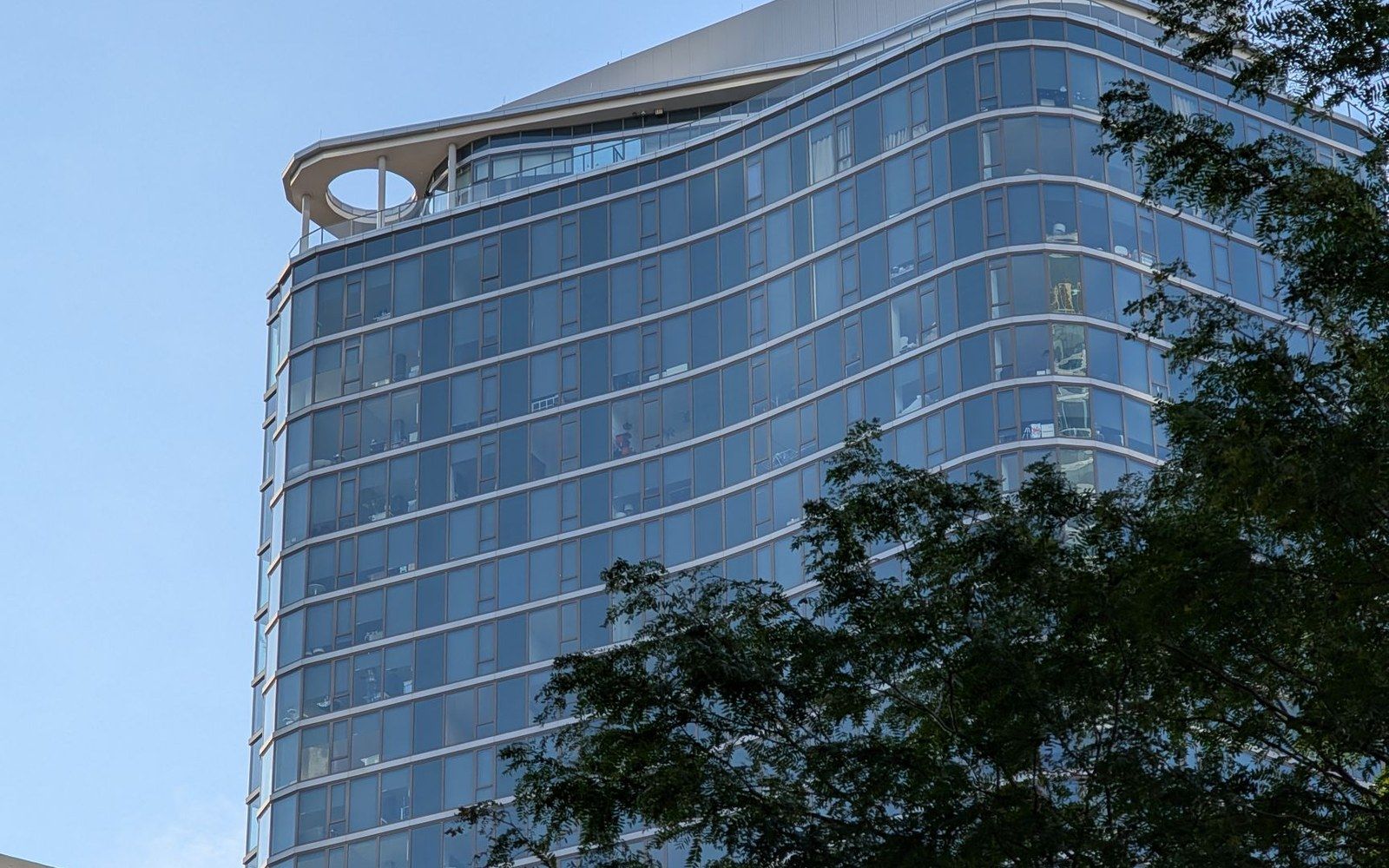
The Starrett-Lehigh Building, Twelfth Avenue, 1931: Cory & Cory’s freight terminal, its ribbon windows and truck elevators.
Photo: Brian Shirley / Pexels
A Freight Terminal That Galleries Claimed
The Starrett-Lehigh Building at 601 West 26th Street occupies an entire Chelsea block between Eleventh and Twelfth Avenues, running from 26th Street to 27th. Completed in 1931 to designs by the firm Cory & Cory — with structural engineering by Purdy & Henderson — it is one of the most significant industrial buildings in New York, and one of the more improbable addresses in the history of the city's art trade.
The building was purpose-built as a freight terminal, its lower floors threaded directly onto the Lehigh Valley Railroad's rail-yard tracks that ran along the Hudson waterfront. Trucks drove onto elevators — each large enough to lift a loaded vehicle — and were carried to upper floors for unloading. The result was roughly 2.3 million square feet of column-free loft space stacked nineteen stories high, wrapped in continuous bands of ribbon windows that made it an early and notable example of the International Style adapted to industrial use. Those windows, horizontal and uninterrupted, became the building's visual signature and, decades later, its selling point to tenants who needed light.

The back office is where a district is actually run: leases, shipping schedules and the artists’ accounts.
Photo: Nic Wood / Pexels
Through the mid-twentieth century the building functioned as its builders intended: warehouse and distribution space for major manufacturers and shipping companies. By the 1980s the freight economy that sustained it had contracted, and large floors were available at rents that reflected the neighbourhood's then-marginal position on Manhattan's far west side. Artists and small fabricators moved in first, drawn by the same qualities — scale, light, freight-elevator access — that had attracted galleries to SoHo's cast-iron lofts a decade earlier.
When West Chelsea emerged as the dominant gallery district through the mid-1990s, anchored by Matthew Marks opening on West 22nd Street in 1994, the Starrett-Lehigh's address put it at the district's western edge. Galleries, photography studios, fashion showrooms and design firms occupied its floors alongside the artists already in residence. The building's truck elevators, originally a freight-logistics feature, proved perfectly suited to moving oversized paintings and sculpture — exactly the logistical problem Chelsea's new tenants needed solved.
- 1931Building completed; Cory & Cory architects, Purdy & Henderson structural engineers
- 1980sArtists and fabricators begin occupying vacated freight floors
- 1986Designated a New York City landmark
- Mid-1990sWest Chelsea gallery district forms; Starrett-Lehigh positioned at its western edge
- Early 2000sMartha Stewart Living Omnimedia occupies significant portion of building
The building was designated a New York City landmark in 1986, a status that protected its exterior fabric even as its interior was subdivided and reconfigured for successive generations of tenants. Martha Stewart Living Omnimedia famously occupied a large portion of the building in the early 2000s, making Starrett-Lehigh briefly a fixture in lifestyle-media coverage as well as art-world geography. The landmark designation is administered by the New York City Landmarks Preservation Commission, which oversees any changes to the building's exterior.
What the building offered — and still offers — is the rarest thing in Manhattan: uncompromised floor-through space, genuine freight capacity and light on all sides, in a structure too significant to demolish.
Through the mid-twentieth century the building functioned as its builders intended: warehouse and distribution space for major manufacturers and shipping companies.
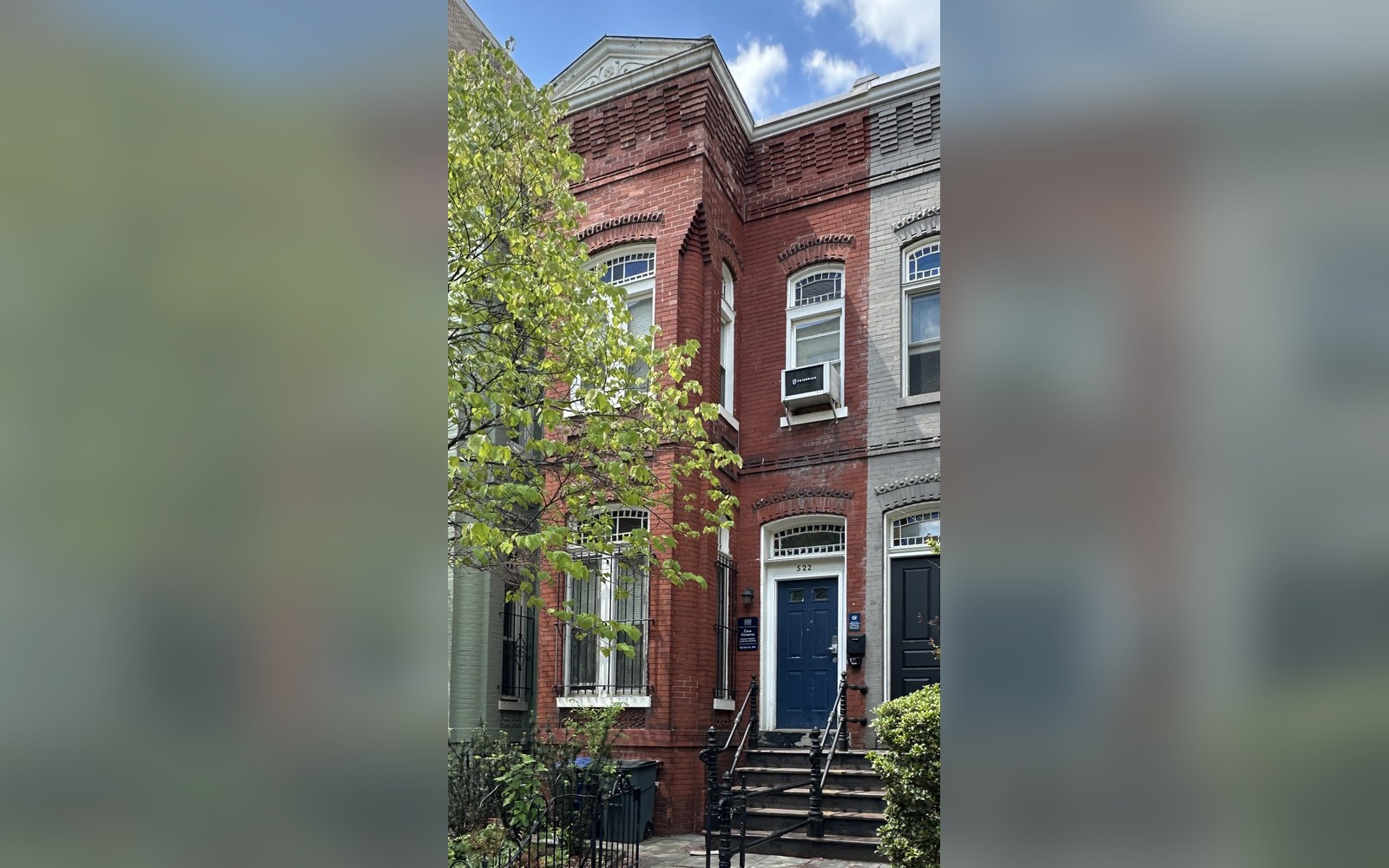
Elsewhere in Chelsea: Matthew Marks’s former garage at 522 West 22nd Street, leased 1994 — the spatial grammar Chelsea repeated for twenty years. The First Garage on West 22nd
Photo: 522 22nd Street NW · Wikimedia Commons