From Prince Street to West 21st
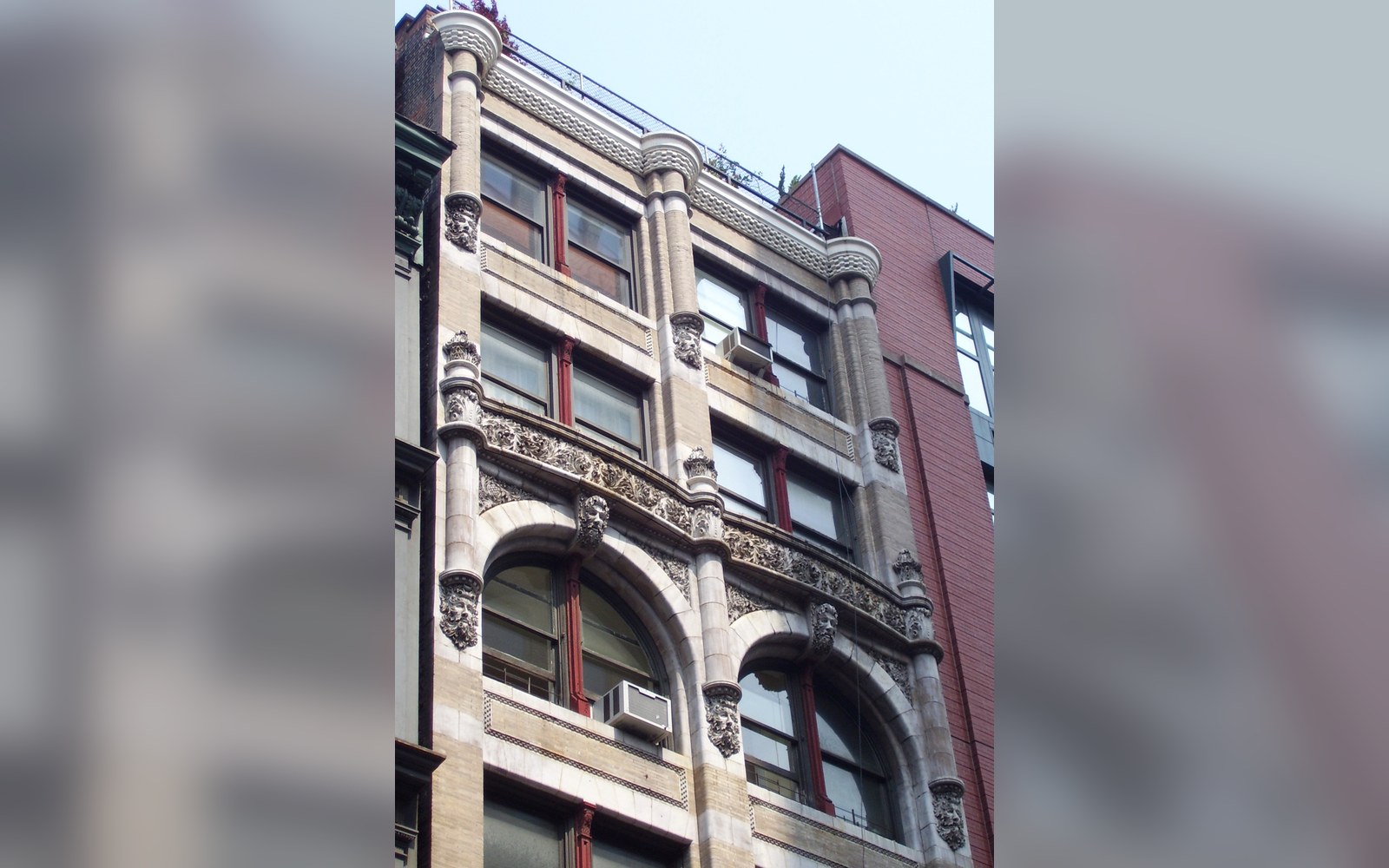
Paula Cooper Gallery at 534 West 21st Street, 1996 — the ceiling height and floor plate that Prince Street could not offer.
Photo: Wikimedia Commons
Paula Cooper and the Floor Plate Chelsea Promised
When Paula Cooper signed a lease at 534 West 21st Street in 1996, she was trading one kind of historic building for another — and the difference told the whole story of why SoHo's moment as New York's primary gallery district was ending.
Cooper had opened at 96–98 Prince Street in 1968, the first commercial gallery below Canal, occupying a cast-iron loft whose freight elevator and high ceilings made it briefly ideal for large-scale work. By the mid-1990s those same ceilings felt low beside what the West Chelsea garages and former industrial lots were offering. The Prince Street space ran to roughly 4,000 square feet. The West 21st Street building gave her more than twice that, with ceiling heights reaching into the mid-twenties — room enough for sculpture that Prince Street could not physically contain.

The back office is where a district is actually run: leases, shipping schedules and the artists’ accounts.
Photo: Nic Wood / Pexels
The move wasn't only architectural. SoHo's ground floors had been surrendering to retail throughout the late 1980s and early 1990s. Rent pressure had converted storefronts that once held John Weber and André Emmerich into chain boutiques, and the foot traffic that arrived on West Broadway on a Saturday was increasingly a shopping crowd rather than an art crowd. The critical mass that makes a gallery district function — the clustering that sends a visitor from one opening to the next — was dissolving.
Chelsea's West 22nd and West 24th Street blocks were assembling exactly that critical mass. Matthew Marks had moved to West 22nd in 1994; by the time Cooper arrived on West 21st, the neighbourhood's conversion was legible as a pattern, not a gamble. Cooper's presence confirmed it as a district.
What SoHo lost was its character as a working art neighbourhood — the combination of studios, nonprofits like Artists Space, and commercial galleries that no single block of Chelsea ever fully replicated. What Cooper gained was the floor plate and the ceiling height to show the next generation of artists on their own terms.
- 1968Paula Cooper opens at 96–98 Prince Street, first commercial gallery in SoHo
- Late 1980s–early 1990sSoHo ground floors convert to retail; gallery rents rise
- 1994Matthew Marks moves to West 22nd Street, anchoring Chelsea as a gallery district
- 1996Paula Cooper Gallery relocates to 534 West 21st Street, Chelsea
The move wasn't only architectural.
Elsewhere in Chelsea: David Zwirner’s West 19th and West 20th Street buildings: a single dealer operating as a multi-building campus. David Zwirner and the Gallery as Campus
Photo: Thilina Alagiyawanna / Pexels