David Zwirner and the Gallery as Campus
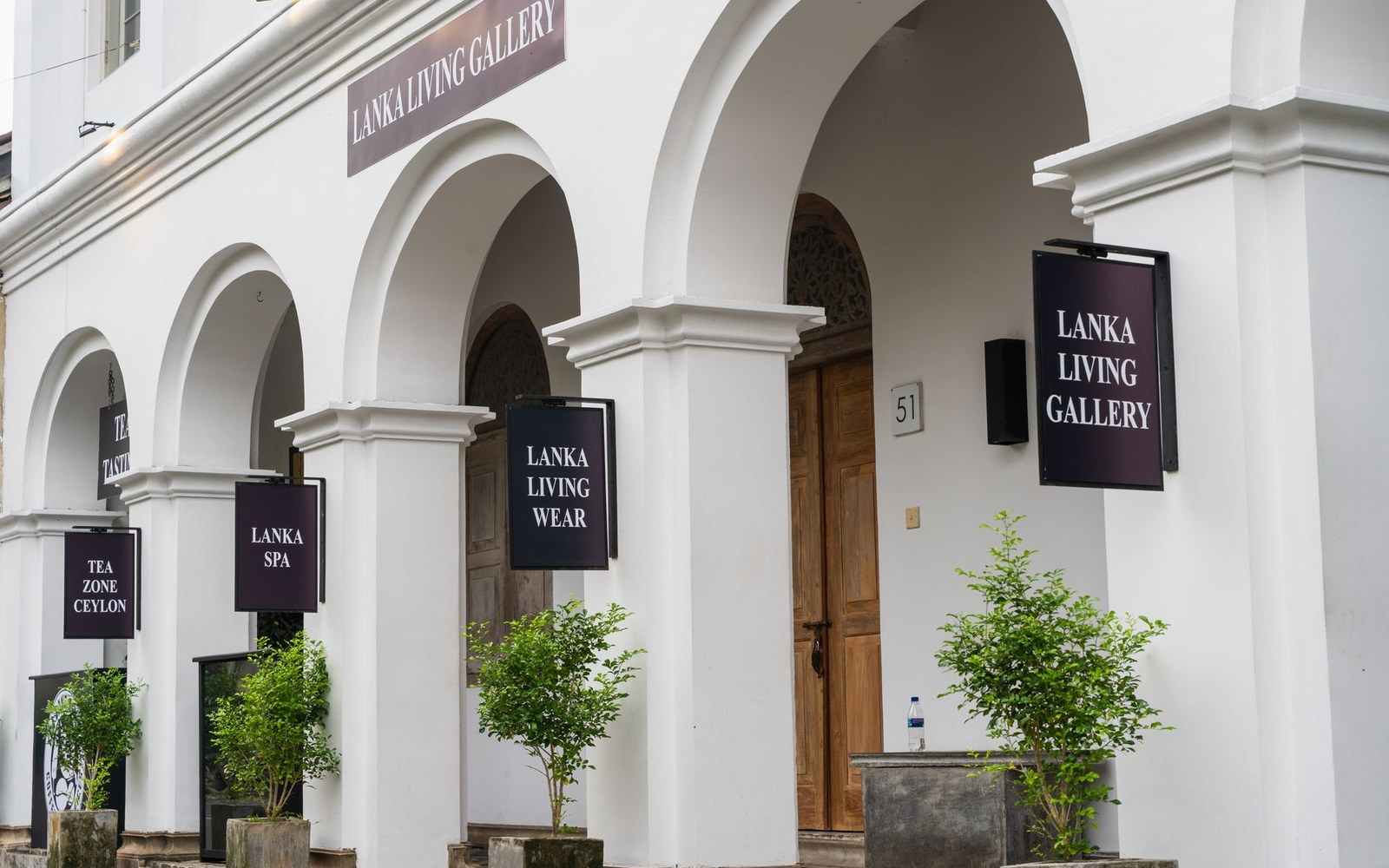
David Zwirner’s West 19th and West 20th Street buildings: a single dealer operating as a multi-building campus.
Photo: Thilina Alagiyawanna / Pexels
From SoHo Storefront to Chelsea Block
David Zwirner opened his first gallery in 1993 at 43 Greene Street in SoHo, occupying a modest ground-floor space suited to a dealer just entering the primary market. Within a decade, the neighbourhood's gallery economy had shifted decisively northward, and Zwirner followed. His move to Chelsea installed him not in a single room but in what would grow, building by building, into one of the most spatially ambitious gallery operations in the United States.
The first Chelsea address was 525 West 19th Street, a former garage typical of the blocks west of Tenth Avenue that Matthew Marks had pioneered on West 22nd Street years earlier. Zwirner then expanded to 519 West 19th Street, and later added 533 West 19th Street — three distinct structures within a single block, each with its own entrance, floor plate and character. A fourth New York space subsequently opened at 34 East 69th Street on the Upper East Side, but it is the Chelsea cluster that defines the operational logic of the gallery.
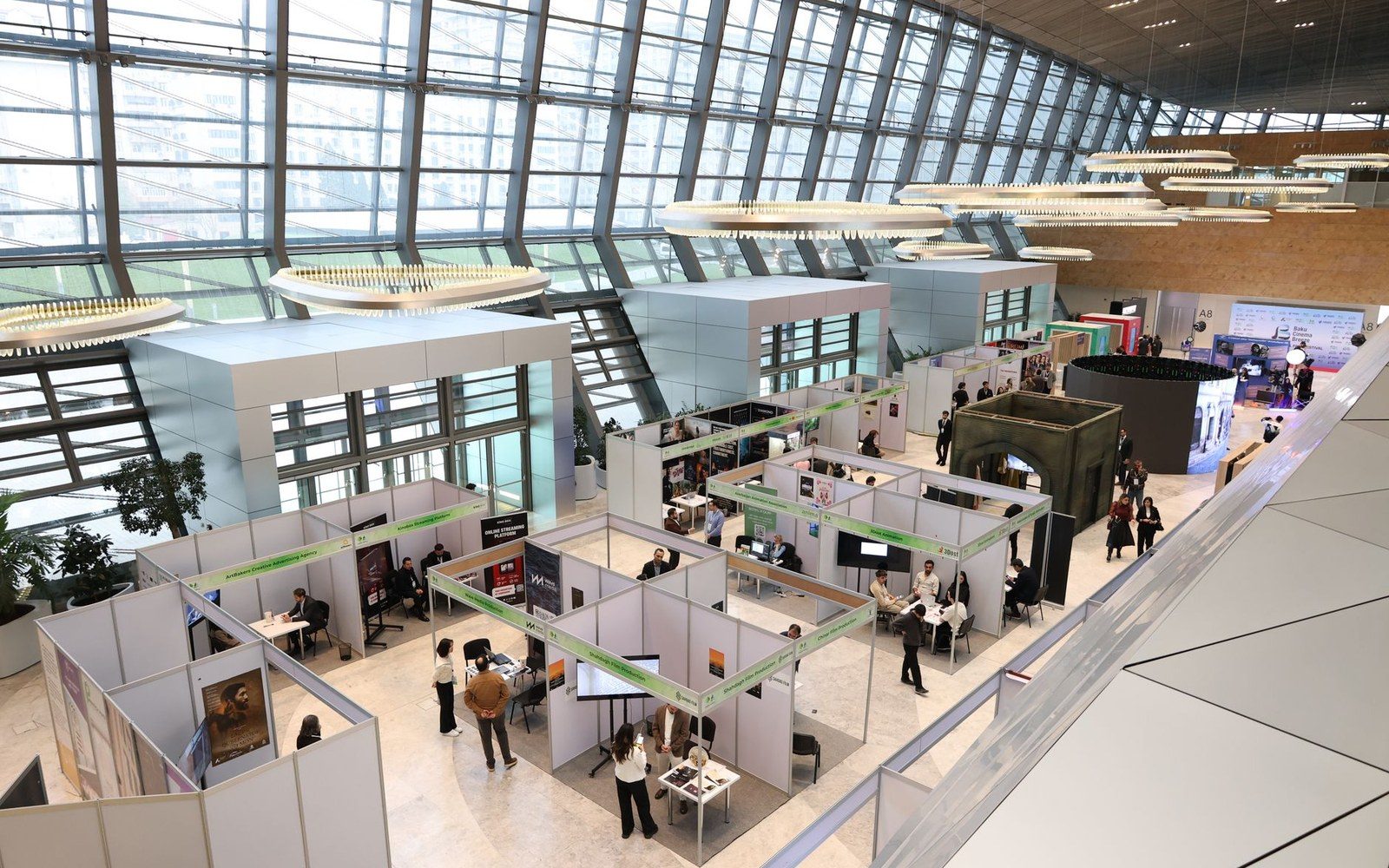
A hall hired for five days, where the route between dealers is built rather than found.
Photo: Tahir Xəlfəquliyev / Pexels
The spatial consequence of that clustering is programmable in a way a single room never can be. A large figurative survey can fill one building while a rigorous Minimalist installation holds the second and a project room in the third tests a younger artist without displacing the primary programme. That flexibility amounts to what the art world began calling a campus — a word borrowed from institutions, and not casually. The scale enables simultaneous solo exhibitions that a conventional gallery would have to mount sequentially over years, compressing critical attention and collector access in ways that alter both reception and the market.
The programming logic shifted accordingly. Zwirner's roster — which has included Gerhard Richter, Luc Tuymans, Neo Rauch, Diana Thater and many others — could be presented at a depth impossible in a single room. Catalogue production, public programming and artist residency functions folded into the operation, edging it toward what the Whitney Museum would recognise as institutional behaviour.
That ambition drew a familiar critique: that a gallery of this scale stops behaving like a gallery and starts behaving like a private museum, with the market consequences of the former and the cultural authority of the latter. Zwirner has engaged the argument directly in public conversation rather than deflecting it. Whether the campus model represents the future of the blue-chip gallery or an exceptional outlier, it set a scale benchmark that Chelsea's geography — long blocks, former industrial buildings, relatively generous zoning — made possible and that no earlier gallery district could have accommodated.
- 1993Zwirner opens at 43 Greene Street, SoHo
- 2002moves to 525 West 19th Street, Chelsea (first Chelsea space)
- Subsequent yearsexpands to 519 West 19th Street, then 533 West 19th Street
- Lateradds Upper East Side space at 34 East 69th Street
The spatial consequence of that clustering is programmable in a way a single room never can be.
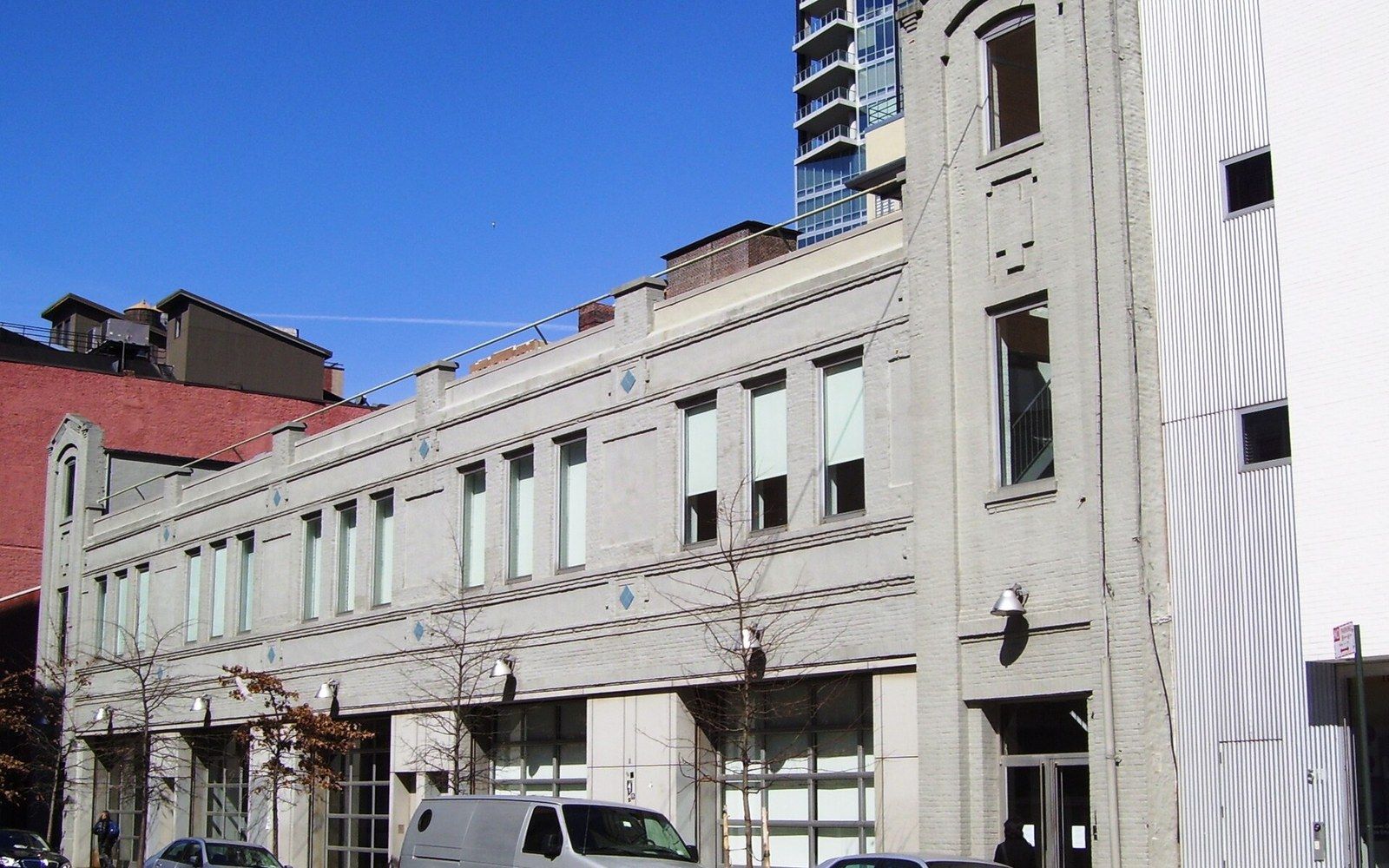
Elsewhere in Chelsea: Gladstone Gallery on West 21st Street, the industrial room taken by a dealer who had shown Matthew Barney since the late 1980s. Gladstone on 21st Street
Photo: 513 West 24th Street · Wikimedia Commons