The Nabisco Box Plant at Beacon
A 1929 factory on the Hudson became the largest single-site museum of minimalist and conceptual art in the world — by design, by daylight, and by a logic entirely unlike anything on 57th Street.
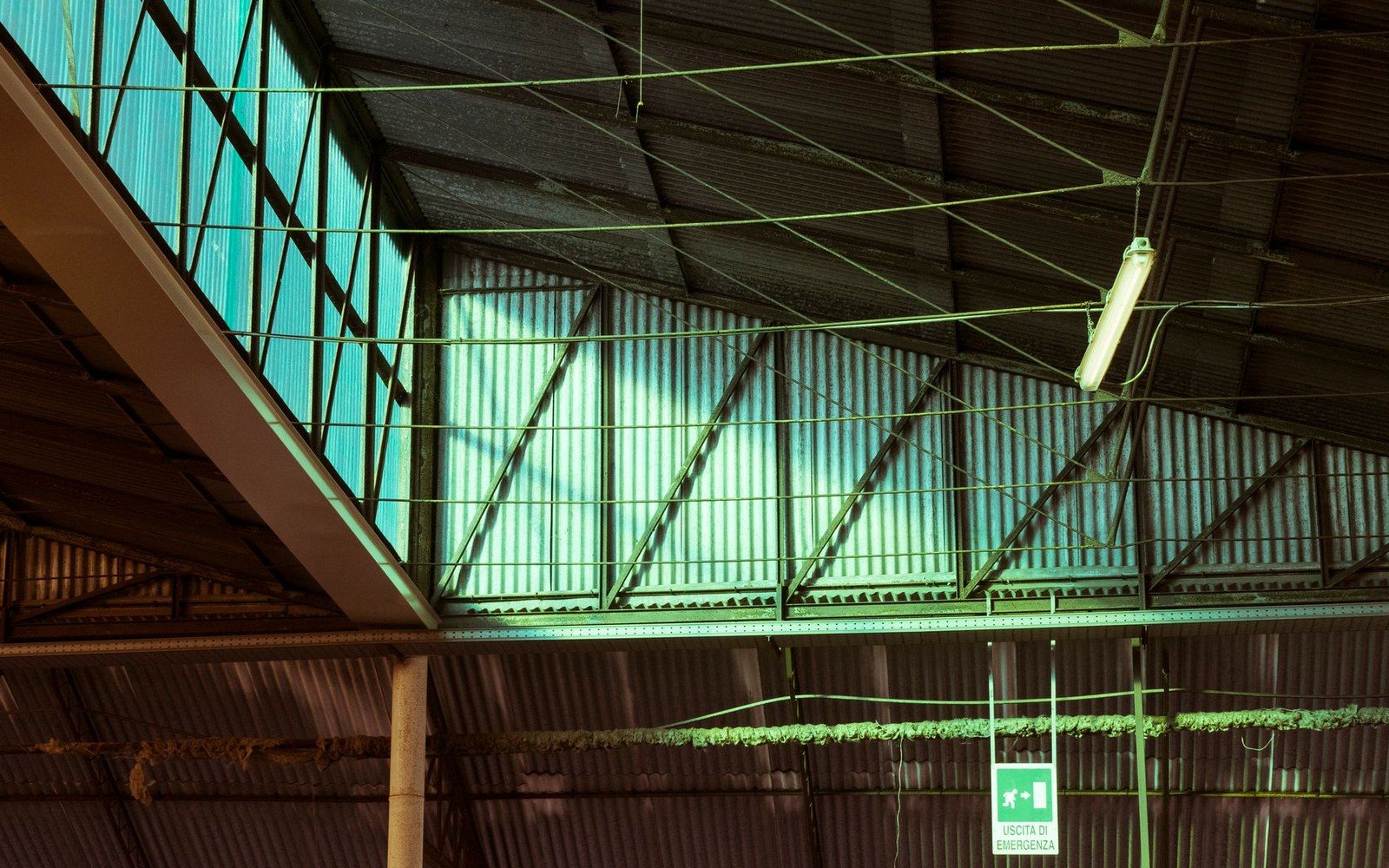
Dia:Beacon in a 1929 Nabisco box plant on the Hudson, opened 2003 — 300,000 square feet under matched skylights.
Photo: Francesco Paggiaro / Pexels
A Factory Scaled to the Work
The building at 3 Beekman Street in Beacon, New York, was erected in 1929 as a printing and cardboard-box manufacturing plant for Nabisco. Its bones — sawtooth skylights running the length of the roof, poured concrete floors, open bays of more than 300,000 square feet — made it useless for most adaptive reuse and ideal, it turned out, for the Dia Art Foundation's particular ambitions.
Dia had spent the late 1990s looking for a permanent home for its collection, which had been dispersed across rented spaces and storage since the foundation's founding in 1974. The Nabisco factory was acquired in 1999. Dia hired the New York firm OpenOffice and structural engineers Robert Silman Associates to oversee the conversion, with the artist Robert Irwin designing the site's approach and entrance garden. The building opened as Dia:Beacon in May 2003.
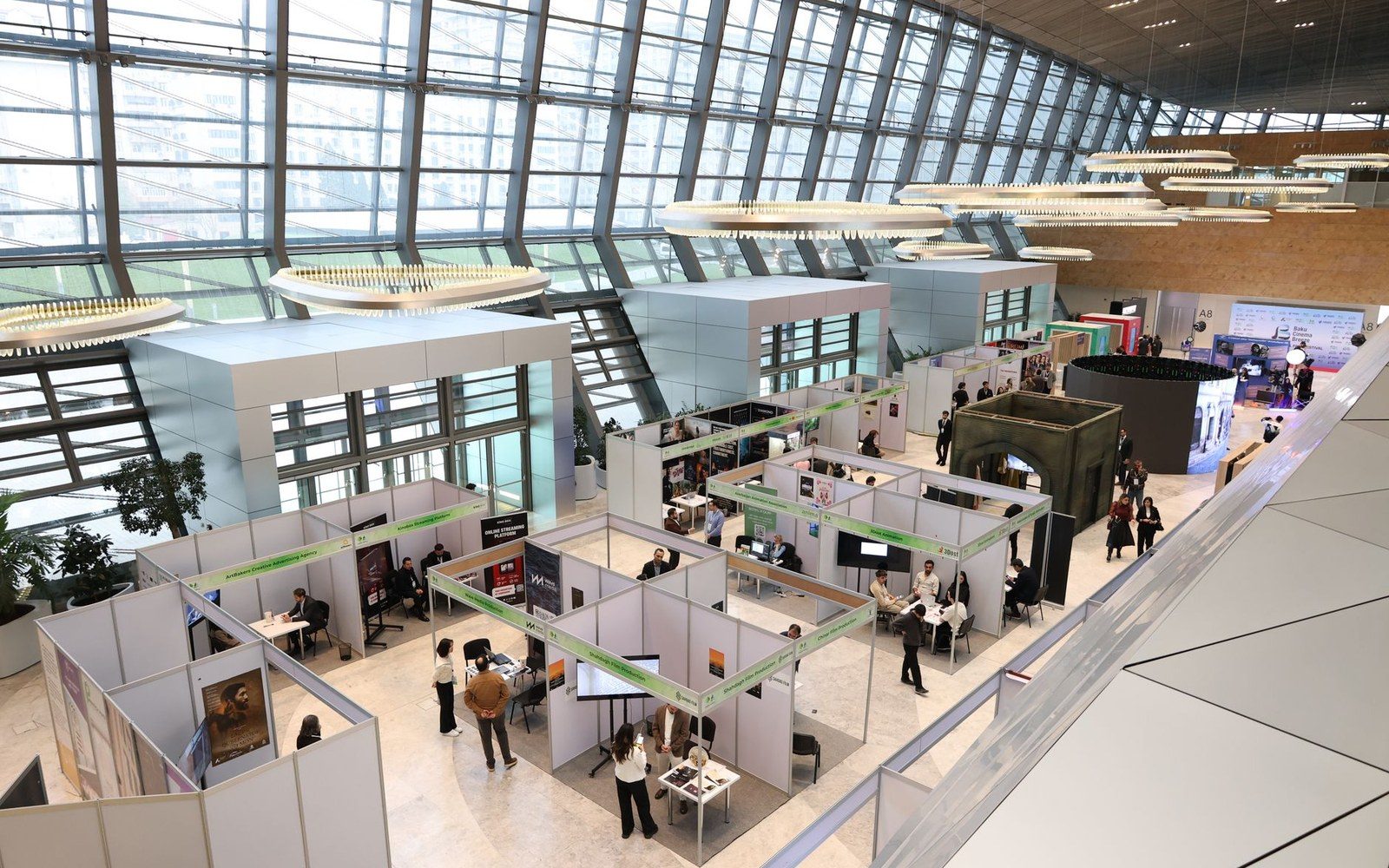
A hall hired for five days, where the route between dealers is built rather than found.
Photo: Tahir Xəlfəquliyev / Pexels
The conversion's governing principle was the inverse of the white-cube standard: light and room configuration were calibrated to specific works rather than to a neutral, any-art-will-do flexibility. The sawtooth skylights were fitted with diffusing glass to eliminate direct sun while maximising natural light throughout the day — conditions Dia matched to the light requirements of works such as Dan Flavin's fluorescent-tube installations, Walter De Maria's large-format drawing rooms, and the Agnes Martin canvases that require an even, unglaring field. Each artist received a room or suite of rooms, and nothing from the collection was rotated out to make space for something else.
What the Model Cannot Do
That permanence is both Dia:Beacon's argument and its limitation. The institution shows the collection it has, at the scale it demands, to visitors who make a deliberate journey sixty miles up the Hudson from Grand Central. It does not respond to a living artist's new body of work, negotiate a primary-market relationship, or take a percentage of a sale. It cannot do what Leo Castelli did for Robert Rauschenberg or what Marian Goodman's gallery at 24 West 57th did for Gerhard Richter — introduce a living practice to collectors through the intimate machinery of a commercial programme.
What Dia:Beacon offers instead is a counter-argument to the gallery district itself: that certain art requires not a season but a building, not a vernissage but a pilgrimage, and that scale, permanence and natural light are sometimes the only honest curatorial instruments available.
- 1929Nabisco constructs printing and box-manufacturing plant at 3 Beekman Street, Beacon, New York
- 1974Dia Art Foundation established in New York
- 1999Dia acquires the Beacon factory
- 2003Dia:Beacon opens to the public (May)
The conversion's governing principle was the inverse of the white-cube standard: light and room configuration were calibrated to specific works rather than to a neutral, any-art-will-do flexibility.
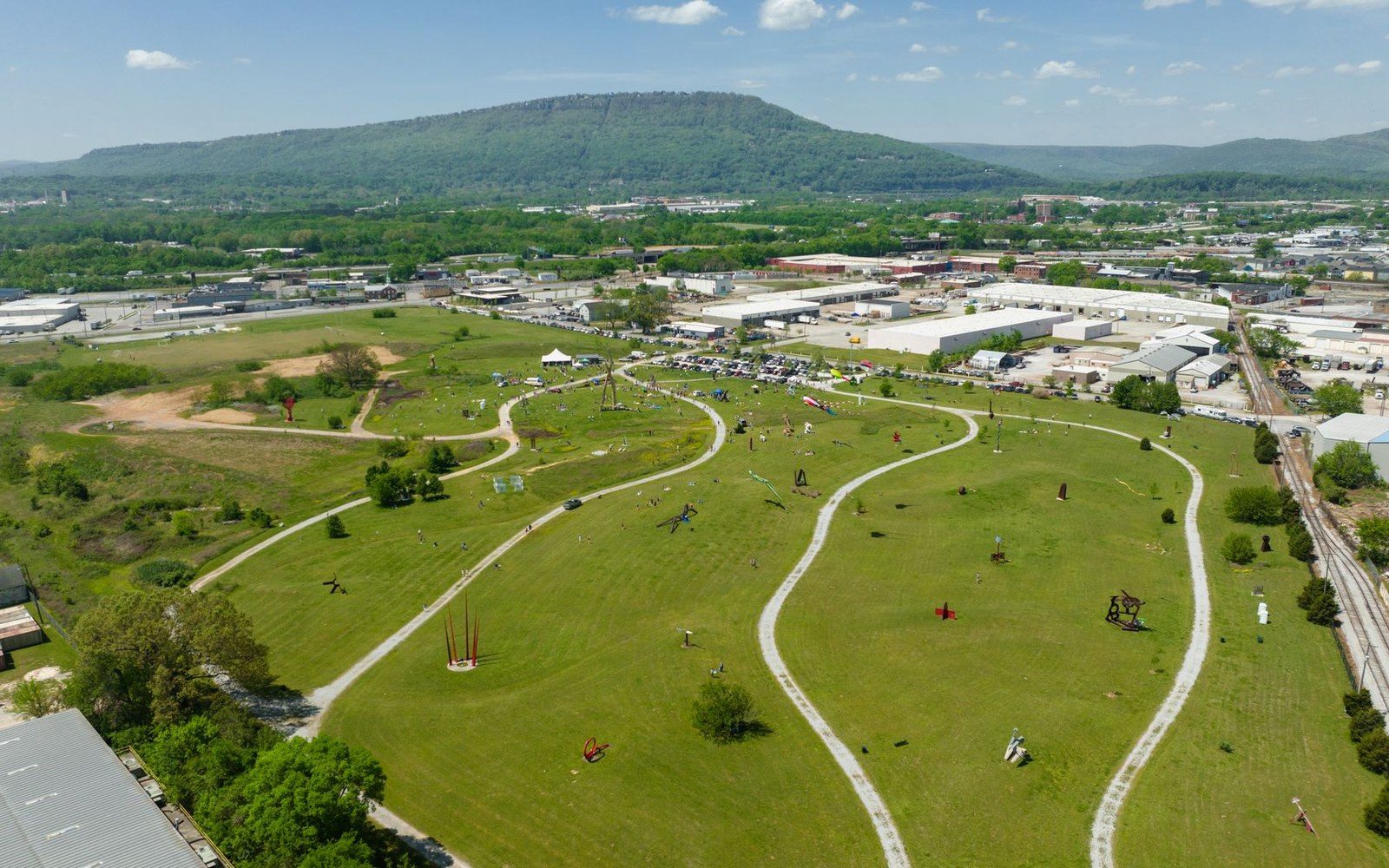
Elsewhere in Downtown: Storm King Art Center, five hundred acres in the Hudson Valley, opened 1960 — the distance a Manhattan floor cannot give. Storm King and the Room Sculpture Needs
Photo: K / Pexels