Sperone Westwater Moves to the Bowery
When a gallery hires an architect instead of an electrician, the building becomes the argument.
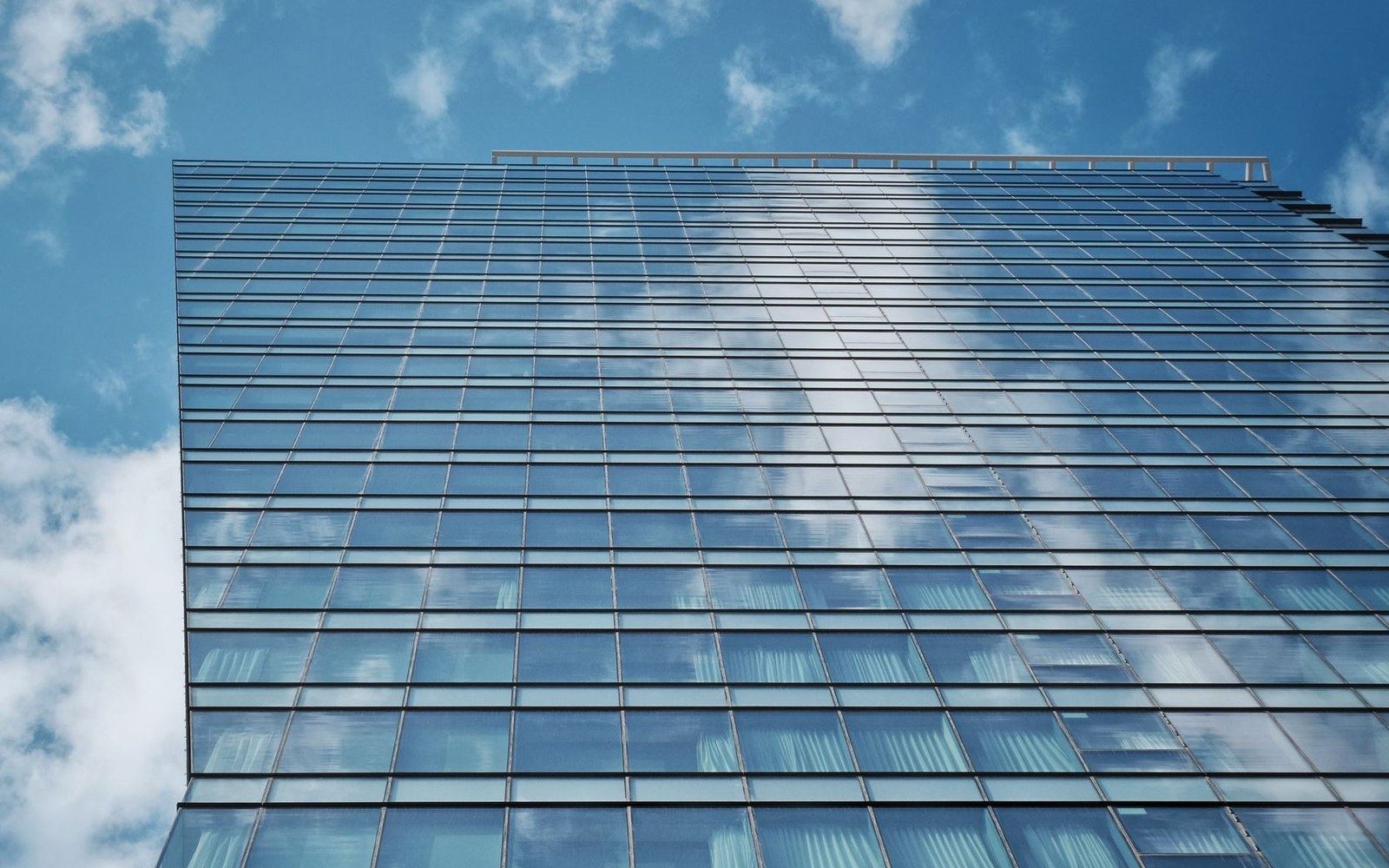
Sperone Westwater at 257 Bowery, 2010 — Foster + Partners’ narrow building with a room that travels between floors.
Photo: Thắng-Nhật Trần / Pexels
The Building as Programme
Sperone Westwater opened at 257 Bowery in 2010, trading a SoHo loft on Greene Street for a purpose-built tower designed by Norman Foster's practice, Foster + Partners. The site is a twenty-five-foot-wide sliver — one of the narrowest footprints any major commercial gallery has ever committed to — and the building makes no apology for the constraint. Its most discussed feature is a moving room, a mechanised gallery box that travels between floors on a hydraulic system, functioning simultaneously as freight lift, exhibition space and architectural spectacle.
The contrast with the SoHo model is deliberate and instructive. When Leo Castelli moved into 420 West Broadway in 1971, the logic was horizontal: wide, column-interrupted loft floors, freight elevators that could move oversized canvases, and ceilings high enough for sculpture that had no predecessor in domestic scale. The building was adapted, not commissioned; the art took what industry had left behind. Sperone Westwater's Bowery building inverts that arrangement entirely. Here the architecture is the primary statement, and the gallery's identity is inseparable from it. The moving room is not a convenience — it is a curatorial proposition, suggesting that the experience of encountering art is itself mobile, unstable, subject to vertical displacement.
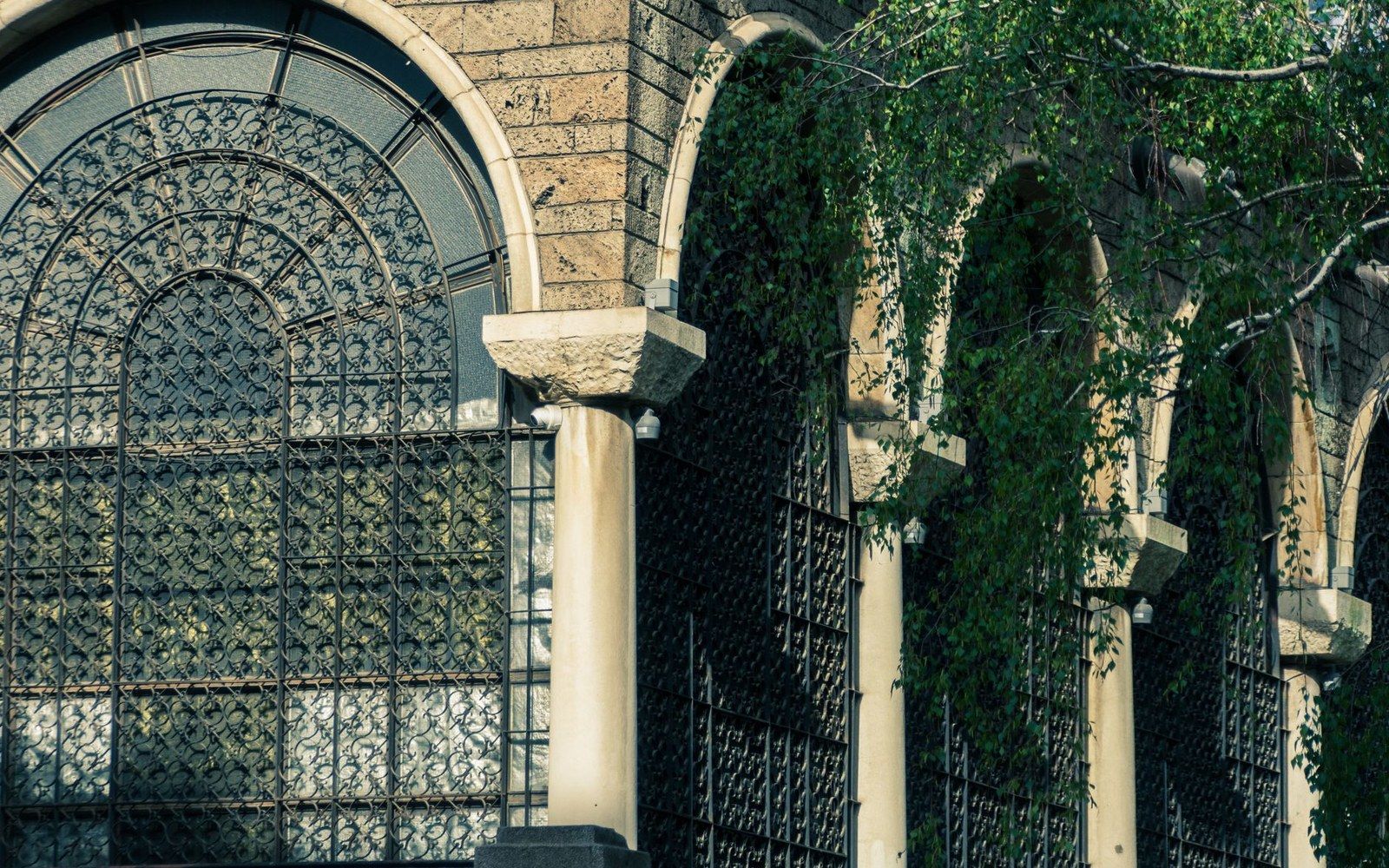
Cast iron was built for goods, which is why it suited work that had to come in through a freight door.
Photo: wal 172619 / Pexels
Founded in New York in 1975 by Gian Enzo Sperone and Angela Westwater, the gallery had spent decades in the SoHo cast-iron district, where the neighbourhood's industrial DNA — preserved by New York's loft legislation of the early 1970s — provided a neutral, abundant, and relatively cheap container for contemporary work. The Bowery commission represented a different wager: that in a market where Chelsea had set the standard for raw square footage and the New Museum's SANAA building, opened just a block away in 2007, had already transformed the street's cultural gravity, a gallery could distinguish itself through architectural authorship rather than adaptive reuse.
Whether the moving room changed how visitors experienced the work or simply changed what they talked about afterwards is a question the building keeps open.
- 1975Sperone Westwater founded in New York by Gian Enzo Sperone and Angela Westwater
- 2007SANAA's New Museum opens at 235 Bowery, reshaping the street's cultural profile
- 2010Sperone Westwater opens at 257 Bowery in Foster + Partners' purpose-built tower
Founded in New York in 1975 by Gian Enzo Sperone and Angela Westwater, the gallery had spent decades in the SoHo cast-iron district, where the neighbourhood's industrial DNA — preserved by New York's loft legislation of the early 1970s — provided a neutral, abundant, and relatively cheap container for contemporary work.
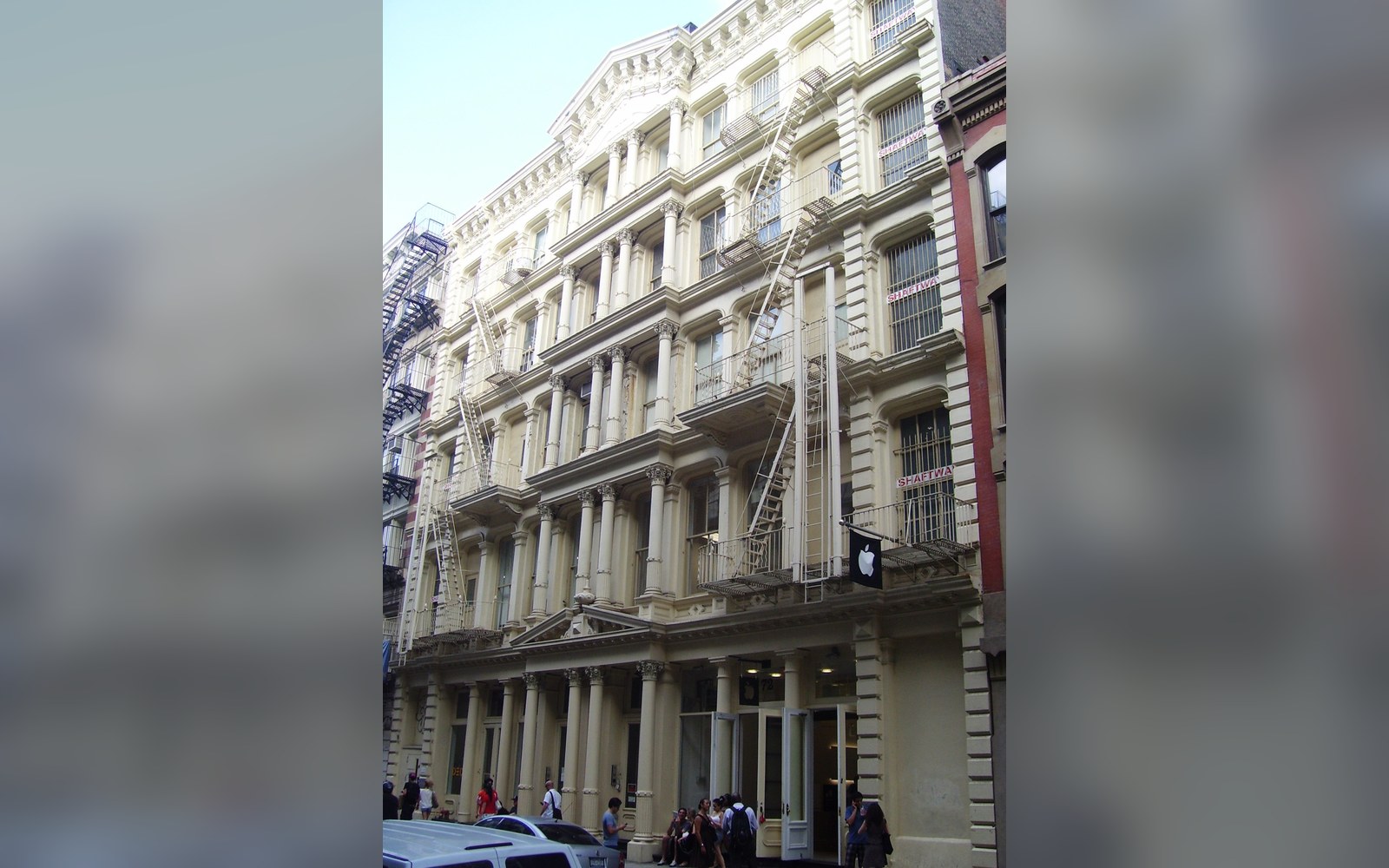
Elsewhere in SoHo: SoHo’s cast-iron manufacturing buildings: high ceilings, wide bays and freight elevators, protected by the 1971 Loft Law. Why the Cast Iron Survived Long Enough to Be Colonised
Photo: 72 Greene Street from south · Wikimedia Commons