Ileana Sonnabend at 420
The dealer who understood Europe and Castelli occupied the same building — and made that proximity into a program.
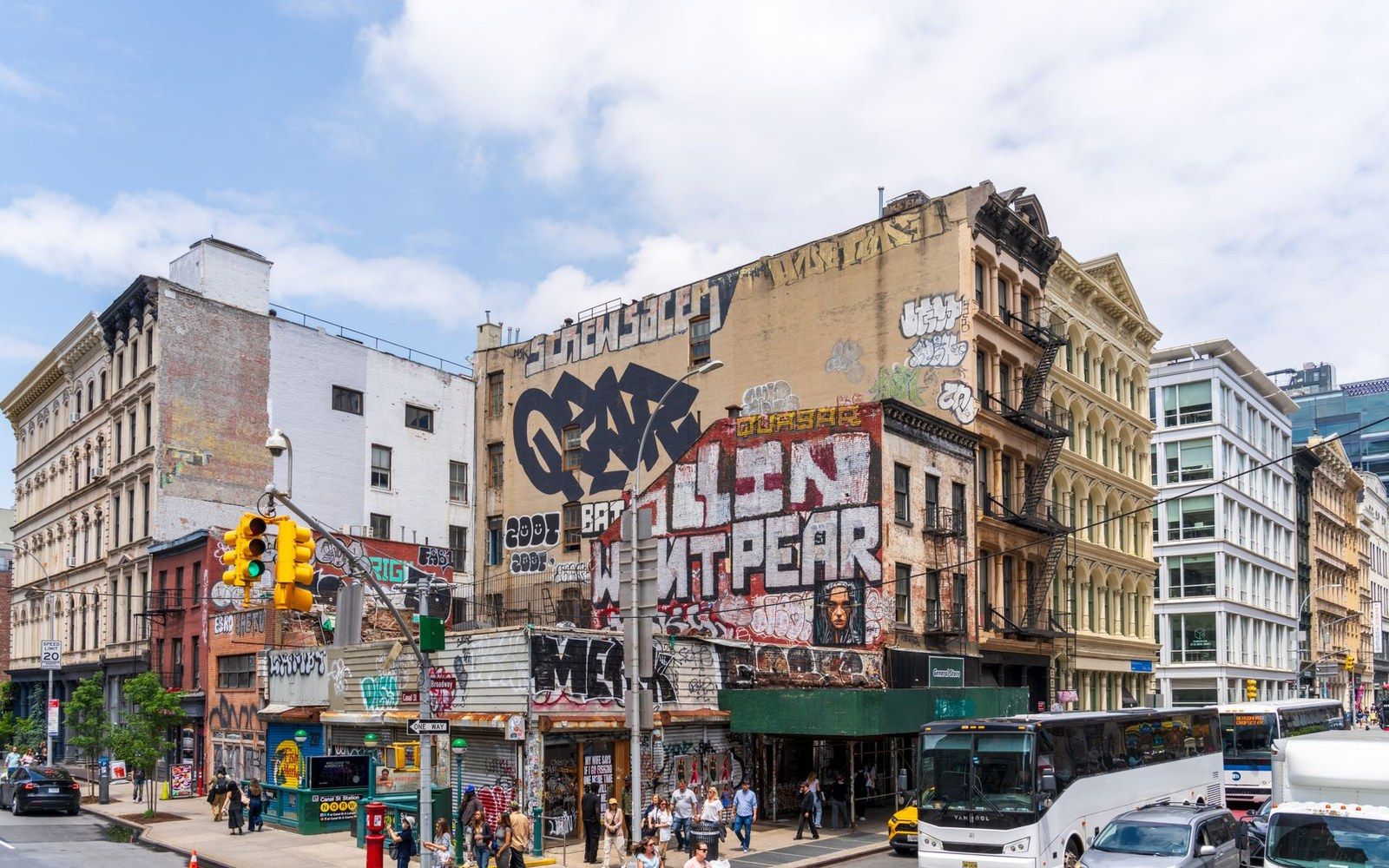
Ileana Sonnabend’s floor at 420 West Broadway, where Conceptual and arte povera work entered the building Castelli anchored.
Photo: Abhishek Navlakha / Pexels
The Second Floor, and What It Changed
When Leo Castelli moved his gallery into 420 West Broadway in 1971, Ileana Sonnabend followed. The two had been married for more than two decades before divorcing in 1959; their professional relationship, if anything, grew more consequential after it. Sonnabend took the second floor. Castelli held the fourth. The building quickly absorbed three other galleries as well, but the Castelli-Sonnabend pairing was the one that defined the address.
Sonnabend had spent the 1960s running a gallery in Paris, where she introduced American Pop and Minimalism to European collectors. Arriving in SoHo, she reversed the current: her New York program was determinedly European and Conceptual, built around artists she had discovered abroad. She showed Gilbert & George, Joseph Kosuth, and work from the arte povera circle — Jannis Kounellis, Mario Merz, Giovanni Anselmo — giving those movements their most sustained American platform of the decade.
A hall hired for five days, where the route between dealers is built rather than found.
Photo: Tahir Xəlfəquliyev / Pexels
The floor separation at 420 West Broadway was logistically trivial and curatorially enormous. A collector riding the freight elevator from the second floor to the fourth moved between two coherent but distinct worldviews: Sonnabend's European Conceptualism and Castelli's roster of Rauschenberg, Johns, and their heirs. The building became a single destination that rewarded the full visit, a dynamic that no single gallery could have engineered alone.
By the late 1970s Sonnabend had relocated within SoHo — moving to other addresses nearby — but the formative years at 420 established the template: that SoHo's real energy came from density, from galleries close enough that a single afternoon's walk could encompass both sides of the Atlantic. Sonnabend understood that better than almost anyone who operated in the building, and the program she built on the second floor proved it.
- 1959Ileana Sonnabend and Leo Castelli divorce
- 1960sSonnabend runs her Paris gallery, championing American Pop and Minimalism in Europe
- 1971Castelli opens at 420 West Broadway; Sonnabend opens on the second floor of the same building
- Late 1970sSonnabend relocates within SoHo
The floor separation at 420 West Broadway was logistically trivial and curatorially enormous.
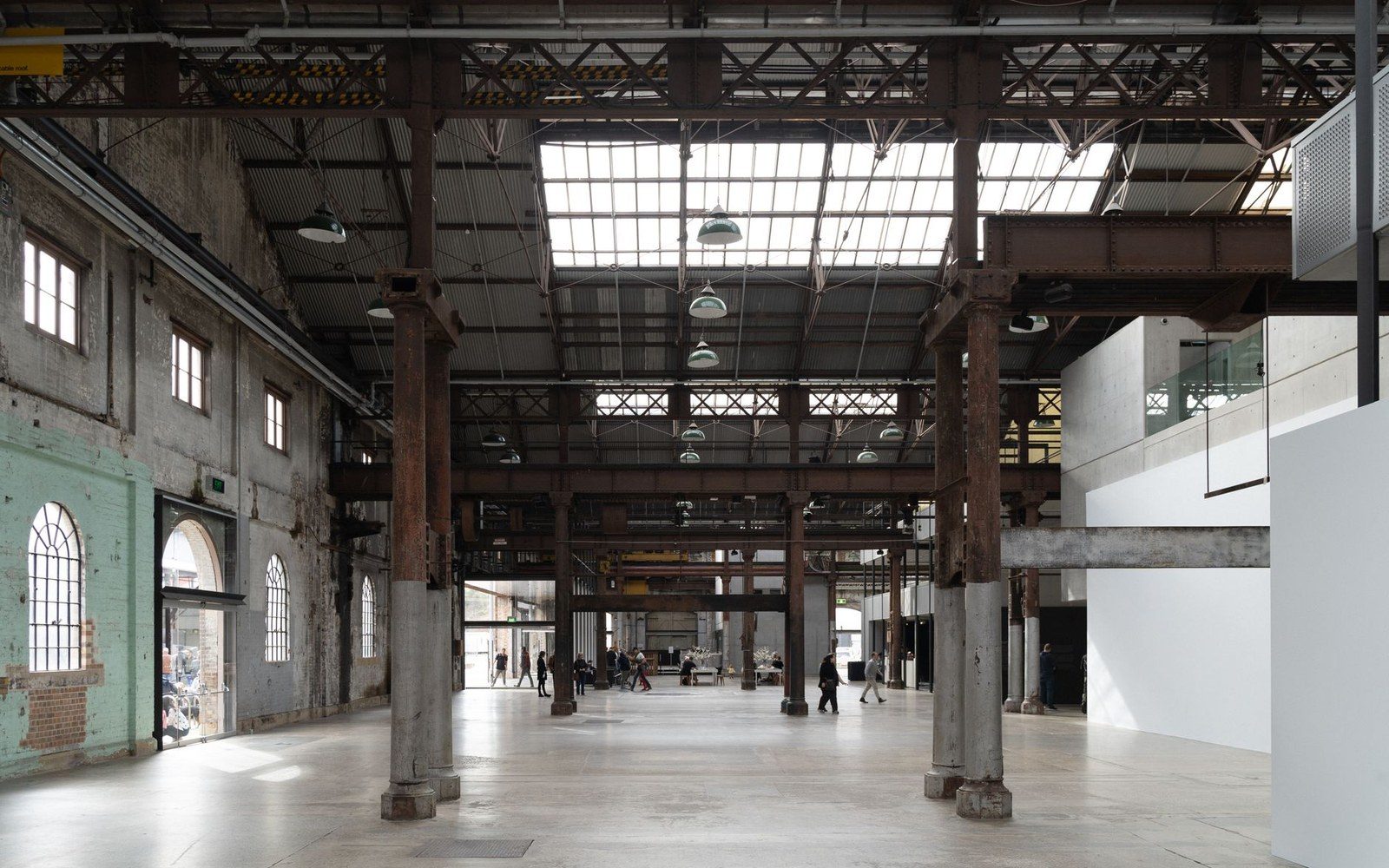
Elsewhere in SoHo: Mary Boone’s West Broadway gallery in the early 1980s: the Basquiat and Schnabel years. Mary Boone and the Gallery as Theatre
Photo: Gilberto Olimpio / Pexels