Mary Boone and the Gallery as Theatre
On West Broadway in the early 1980s, Mary Boone turned the vernissage into a media event and the dealer into a celebrity — and the market has never quite recovered its composure.
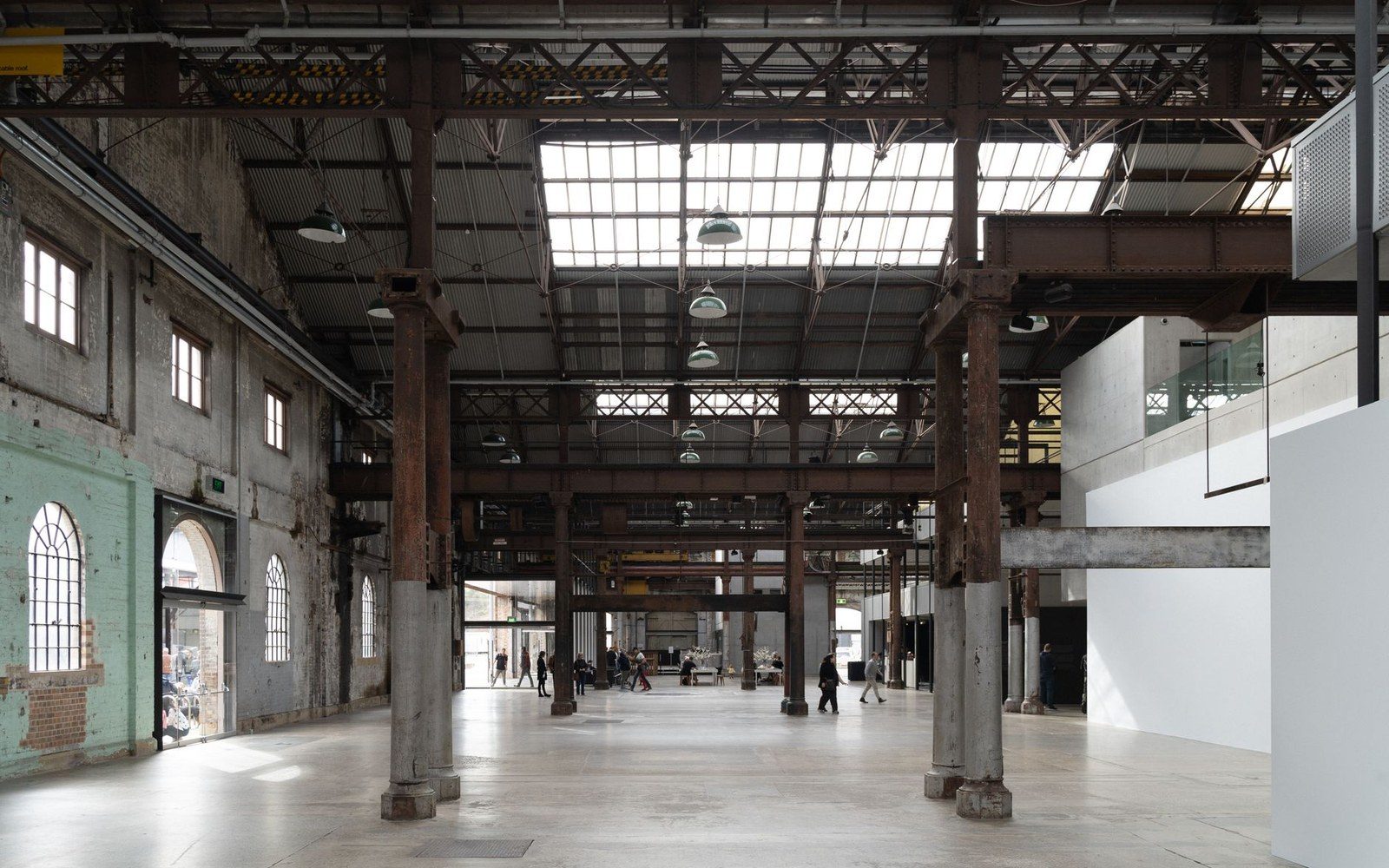
Mary Boone’s West Broadway gallery in the early 1980s: the Basquiat and Schnabel years.
Photo: Gilberto Olimpio / Pexels
The Stage She Built
Mary Boone opened her first eponymous space at 420 West Broadway in 1977, subleasing from Leo Castelli, whose own operation occupied the floors above. The address was already the symbolic centre of SoHo's gallery district, which made her choice of location a statement before a single painting went up. She was twenty-five years old. Within five years she would be on the cover of New York magazine, described as the most powerful dealer of her generation.
The work she chose to champion made the argument easy to dramatise. Julian Schnabel's large-scale broken-crockery paintings — shards of plate embedded in resin and oil — demanded a physical encounter that reproduced badly and rewarded the room. Jean-Michel Basquiat's street-rooted neo-expressionist canvases carried a biographical narrative the press found irresistible. Boone did not invent the appetite for either artist, but she understood, with unusual clarity, that the opening-night preview was itself a medium. The vernissage — that ritual of press and collectors gathered on a Thursday evening — became under her management something closer to a theatrical première, with waiting lists, crowd control and a guest list that functioned as editorial.
Outside the city the same trade needs acreage, and a figure in the frame is the only way to show it.
Photo: Maurice Engelen / Pexels
What Changed and Why It Mattered
The shift Boone embodied was structural, not merely stylistic. The 57th Street dealers who had preceded her — Betty Parsons, Sidney Janis, Pierre Matisse — operated on a model in which the dealer's taste was the product and the relationship with the artist was conducted largely in private. The gallery room was a considered, often quiet space. Boone recalibrated every element: the dealer's public persona became inseparable from the programme, the scarcity of works was managed openly rather than apologetically, and the social event around the show was as carefully produced as the installation itself.
Her collaboration with Schnabel was the period's most visible example of this new mechanics. Boone and Castelli co-represented Schnabel for a period in the early 1980s, a pairing that gave a young painter the simultaneous imprimatur of the reigning establishment and its most ambitious challenger. Schnabel's paintings from this period entered major collections rapidly, and the speed of that absorption became its own news story — the market as performance reviewed alongside the art.
- 1977Boone opens at 420 West Broadway, subleasing from Castelli
- 1981New York magazine cover; Schnabel/Castelli co-representation period
- 1982Basquiat's first solo New York show, Fun Gallery, East Village
- 1983Boone begins showing Basquiat at West Broadway
- Mid-1980sgallery relocates to 417 West Broadway
- 1996Boone moves to 57th Street as SoHo's gallery era closes
Basquiat's trajectory was even steeper and, in retrospect, more consequential as a case study. Boone showed him beginning in 1983. He was already known through the Fun Gallery in the East Village, which had given him his first solo show in New York in 1982, and through the graffiti world that had preceded both. What Boone's West Broadway address added was institutional gravity — the confirmation that the market's centre of mass had decided to take the work seriously. The sociological gap between Patti Astor's storefront on East 10th Street and 420 West Broadway was, in commercial terms, enormous, and Basquiat crossed it in a single year.
The critical debate that surrounded Boone's programme — whether the theatre of the opening inflated or simply reflected the value of the work — was never fully resolved, and it remains live. What is observable on the record is that she redefined what a dealer's public role could be. The gallery owner as media figure, fluent in the language of hype without appearing to use it, is now a familiar type. In 1981 it was new, and it was hers.
The shift Boone embodied was structural, not merely stylistic.
Boone moved her gallery to 417 West Broadway by the mid-1980s and then to 57th Street by 1996 as SoHo's commercial rents and tourist footfall made the neighbourhood less viable as an art-world centre. The West Broadway years remained, however, the period that defined her method and its influence — a compressed, brilliant demonstration that the primary market is also, always, a performance.
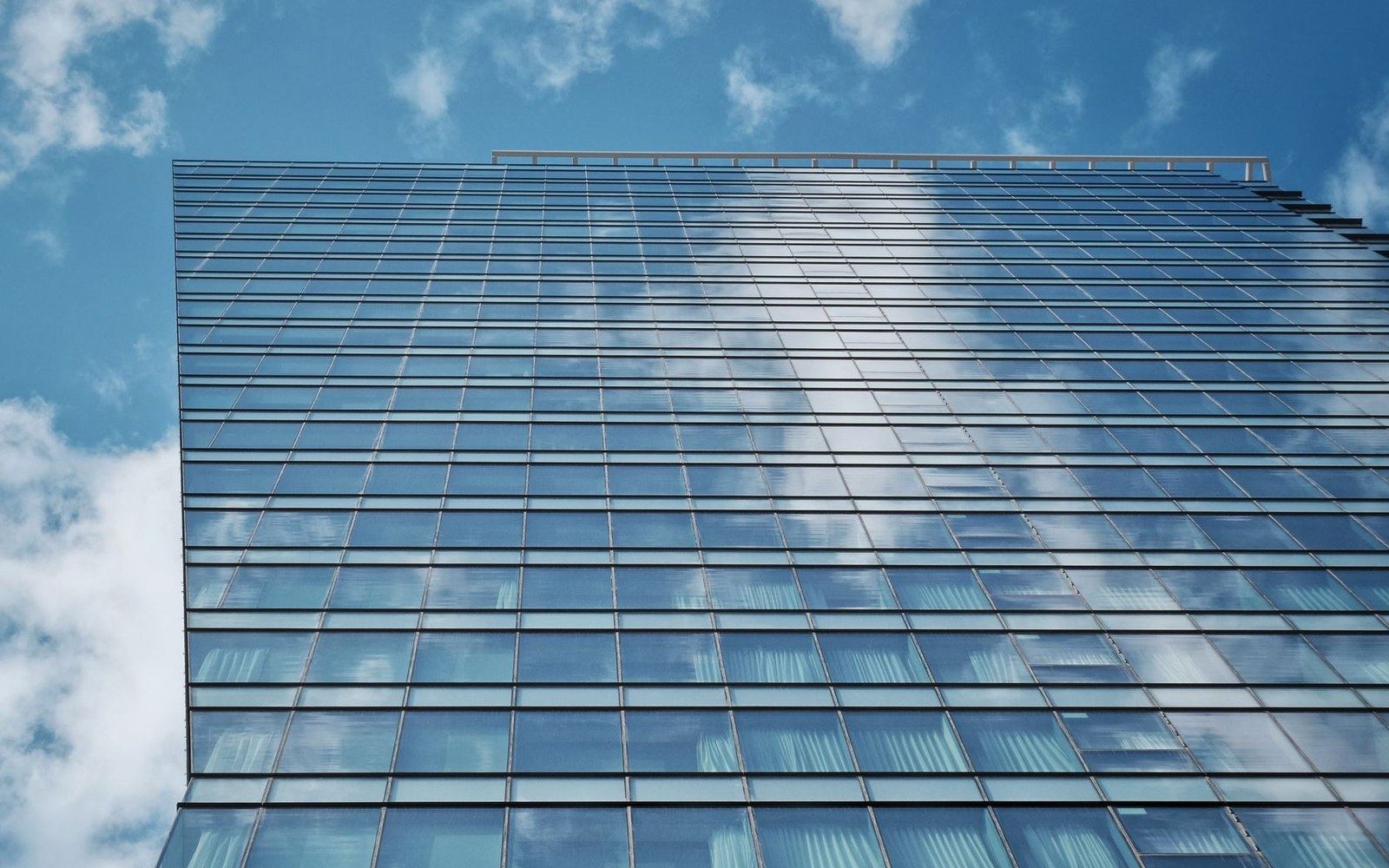
Elsewhere in SoHo: Sperone Westwater at 257 Bowery, 2010 — Foster + Partners’ narrow building with a room that travels between floors. Sperone Westwater Moves to the Bowery
Photo: Thắng-Nhật Trần / Pexels