Hauser & Wirth Takes the Roxy
The Swiss gallery's conversion of a former West Chelsea nightclub into one of the largest commercial exhibition spaces in New York City
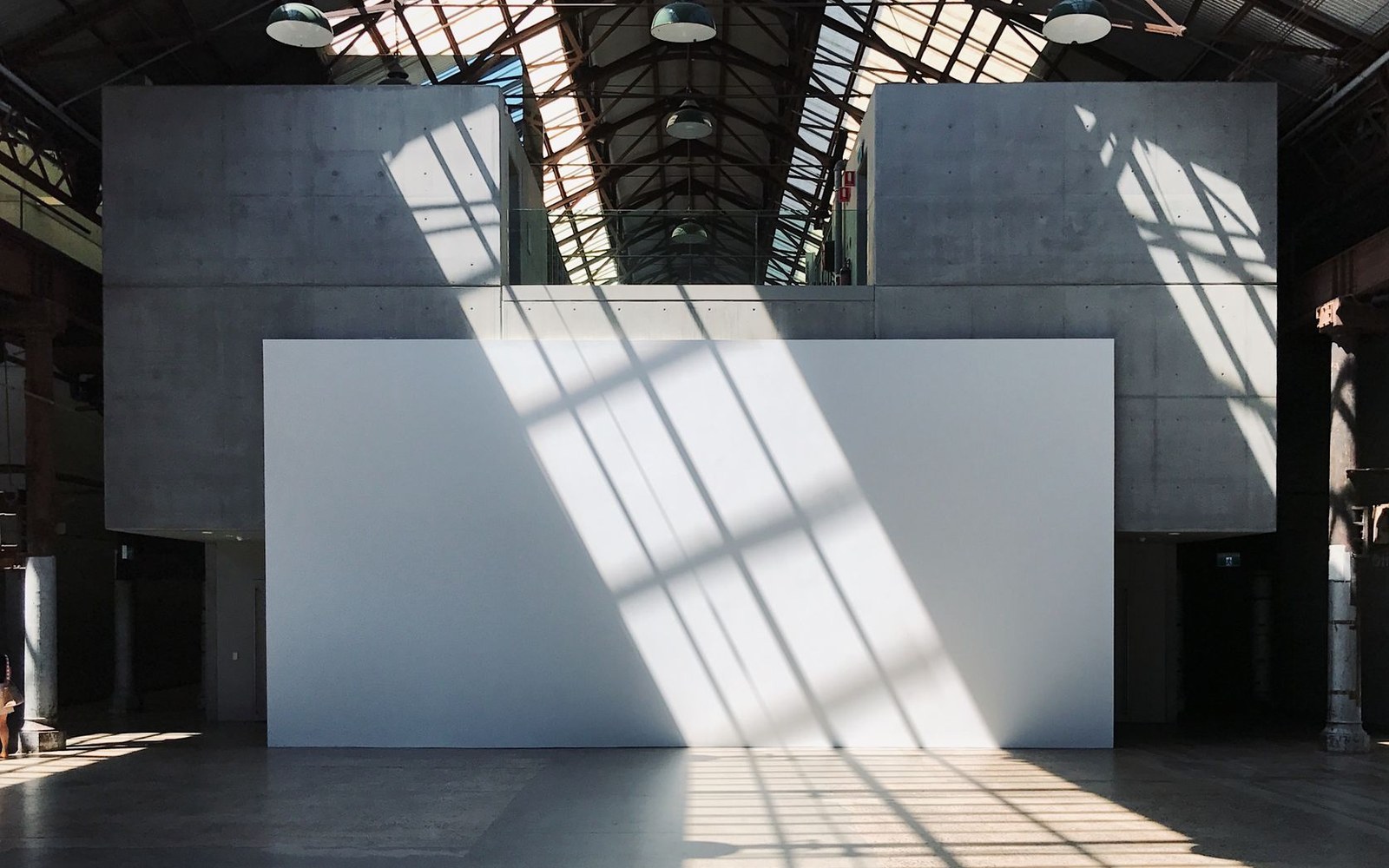
Hauser & Wirth on West 18th Street, in the former Roxy nightclub — one of the largest commercial exhibition spaces in the city.
Photo: Gilberto Olimpio / Pexels
From Dance Floor to Gallery Floor
When Hauser & Wirth opened its New York space in 2009, it did so in a building that had spent its recent past as a nightclub. The address, 511 West 18th Street, had housed the Roxy — a sprawling venue known through the 1990s and early 2000s as one of the premier gay clubs in Manhattan, and before that as a roller-disco. The building's bones were right for a gallery: high ceilings, industrial volume, a footprint that dwarfed anything a converted SoHo loft could offer. Hauser & Wirth saw the opportunity and took it.
The gallery had been founded in Zurich in 1992 by Iwan Wirth, Manuela Wirth and Ursula Hauser, expanding to London in 2003 before crossing the Atlantic. The New York opening placed the firm squarely in West Chelsea at a moment when that district's transformation — driven by the arrival of Matthew Marks in 1994 and accelerated by Gagosian, Gladstone and a dozen others — was already settled fact. The gallery cluster on 22nd and 24th Streets had been drawing collectors and critics for fifteen years. West 18th Street sat at the southern edge of that zone, and Hauser & Wirth's scale of ambition announced that the district still had room to absorb major institutions.
Ceiling height, not floor area, decided which buildings could take the work.
Photo: cottonbro studio / Pexels
Scale as Argument
The 511 West 18th Street space encompassed approximately 20,000 square feet across multiple exhibition rooms, making it one of the largest privately operated gallery spaces in the city at the time of its opening. That size was not incidental — it was a programmatic statement. Hauser & Wirth had built its international reputation on artists who work at monumental scale: Louise Bourgeois, Paul McCarthy, Pipilotti Rist, Phyllida Barlow, Roni Horn. A standard Chelsea white cube of three or four thousand square feet cannot contain a Bourgeois spider at full height or a McCarthy installation that fills peripheral vision in every direction. The former Roxy could.
Hauser & Wirth's global program draws from a roster assembled across decades and continents, with particular depth in postwar European art and American artists who emerged from the 1960s and 1970s. The New York space became a proving ground for that range, with shows that moved between intimate presentations of works on paper and large-scale installations requiring the kind of unbroken floor area that the club's former main room provided. The gallery also operates a publicly accessible reading room and bookshop within the building — a model borrowed, at least in spirit, from the alternative space tradition that produced Artists Space and White Columns.
| Address | 511 West 18th Street, Manhattan |
|---|---|
| Approximate size | 20,000 sq ft across multiple rooms (as of 2009 opening) |
| Gallery founded | Zurich, 1992; London expansion, 2003; New York opening, 2009 |
| Previous use | the Roxy nightclub (1990s–2000s); earlier, a roller-disco |
Chelsea's Largest Room
By the time the High Line opened in June 2009, a few months before Hauser & Wirth's New York debut, the street-level geography of West Chelsea was already under pressure from rising rents. The elevated park's opening accelerated foot traffic and, eventually, residential and hotel development in the blocks immediately to the west and south. Hauser & Wirth was positioned to absorb those pressures in a way that smaller galleries could not — the sheer scale of the 18th Street building justified a rent burden that would have been fatal to a younger operation, and the gallery's international revenue stream meant that New York was one node in a network rather than a single commercial bet.
The Roxy's conversion represents something specific in the history of Chelsea's gallery district: not a scrappy industrial-building appropriation of the kind that defined early 22nd Street, and not a purpose-built commission of the kind Foster + Partners delivered at 257 Bowery for Sperone Westwater, but a lateral repurposing — a cultural institution replacing a cultural institution, both of which had needed, above all, an enormous room.
The 511 West 18th Street space encompassed approximately 20,000 square feet across multiple exhibition rooms, making it one of the largest privately operated gallery spaces in the city at the time of its opening.
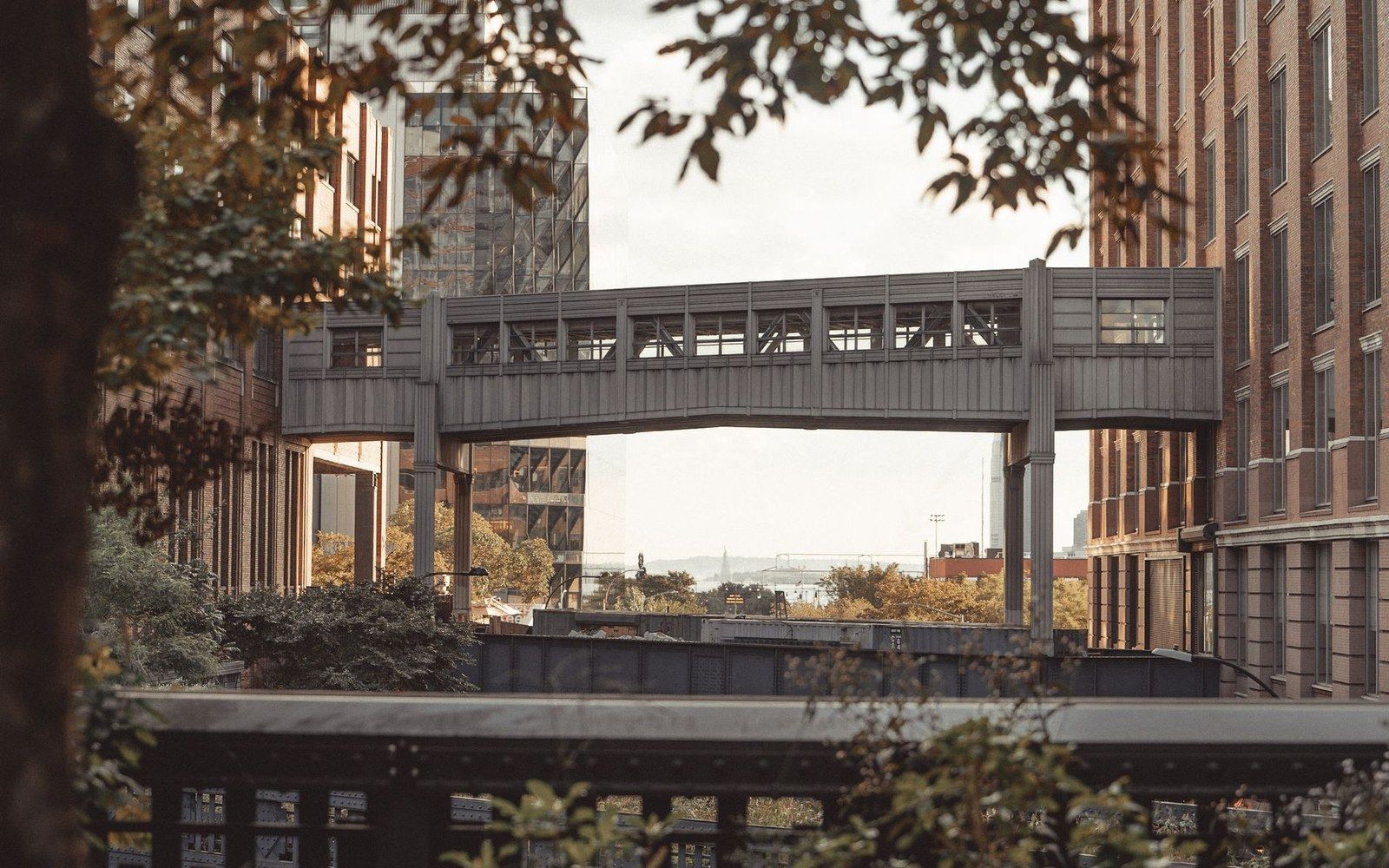
Elsewhere in Chelsea: The gallery blocks below the High Line, West 25th to West 29th, after the park opened in 2009. What the High Line Did to the Rent
Photo: Line Knipst / Pexels