The Fuller Building and What Pace Did With It
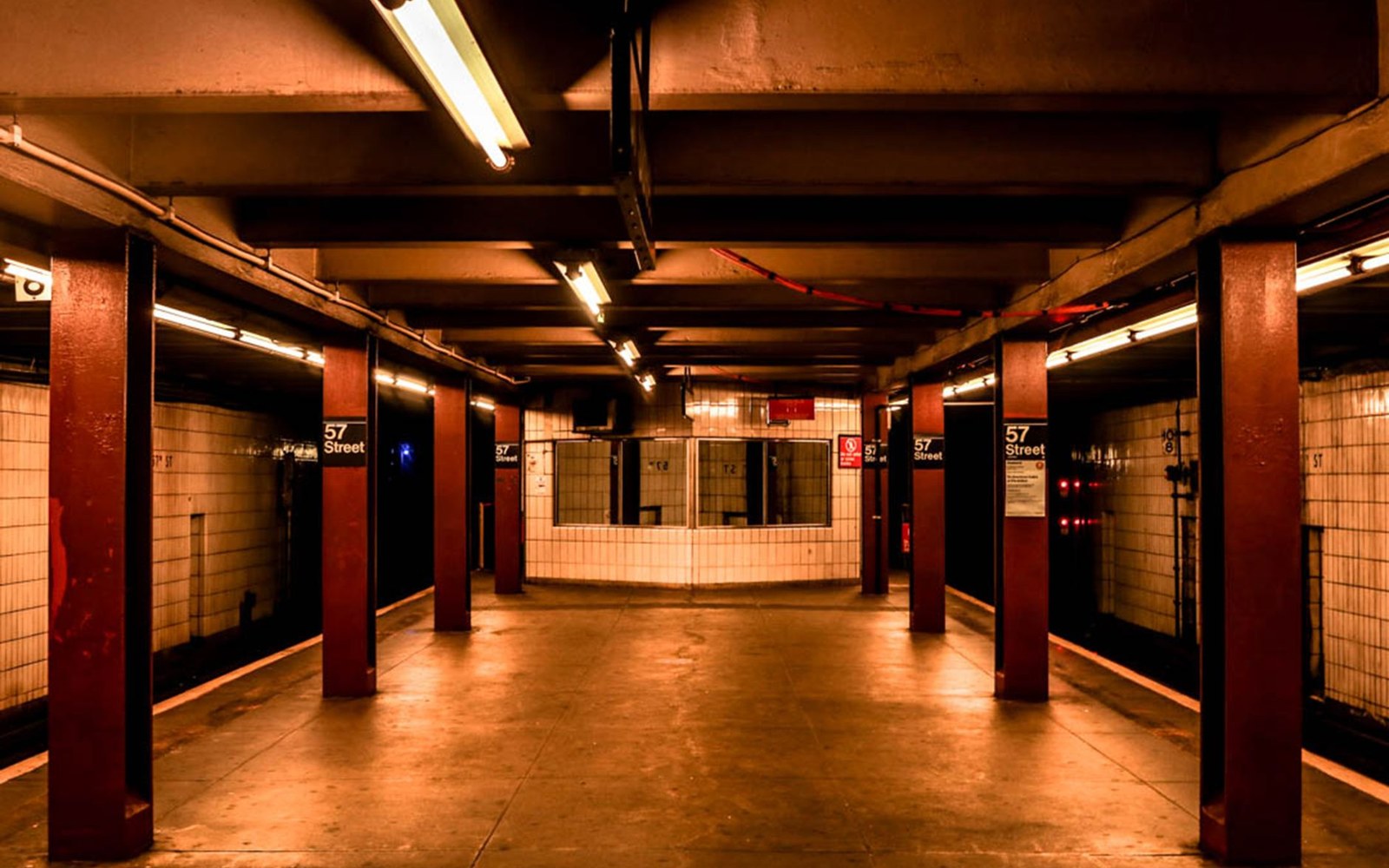
The Fuller Building, 595 Madison Avenue, 1929: Manhattan’s de facto gallery tower, floor by floor, and later the Pace address.
Photo: Faheem Jackson / Pexels
The Tower That Galleries Called Home
The Fuller Building, completed in 1929 at 595 Madison Avenue, is not a gallery in any formal sense. It is a forty-story office tower designed by Walker & Gillette in a black-and-gold Art Deco skin, with limestone reliefs at its base depicting construction workers — a monument to the company that built the Flatiron. Yet for much of the twentieth century it functioned, floor by floor, as the most concentrated vertical gallery district in the United States.
The building's suitability was structural before it was cultural. Its floors offered clean, column-free spans unusual for a 1920s commercial tower, and its Madison Avenue address placed it within the 57th Street corridor — the few blocks between Fifth and Park Avenues that by mid-century had become the uncontested centre of the American art trade. Knoedler & Company, one of the oldest commercial galleries in the country, established its presence there, lending the building immediate institutional gravity. Where Knoedler sat, others followed.
Outside the city the same trade needs acreage, and a figure in the frame is the only way to show it.
Photo: Maurice Engelen / Pexels
By the 1960s and 1970s, the Fuller Building had accumulated a roster of tenants that read like a census of serious dealing: Acquavella Galleries worked its floors alongside André Emmerich, whose programme championed American Color Field painters and European modernists with equal conviction. The stacking of galleries within a single address was not accidental. The concentration created foot traffic that a single gallery could not manufacture alone — collectors could move from floor to floor, from one program to the next, in a single afternoon. The building operated as a fair before art fairs existed.
What Pace Made of the Address
Arne Glimcher founded Pace Gallery in Boston in 1960, relocated to 57th Street in 1963, and eventually settled into the Fuller Building in a tenancy that would last decades and define the address more completely than any other occupant. Pace's 57th Street program was ambitious from the start: the gallery represented artists including Mark Rothko, Barnett Newman, and later a roster that extended from established Abstract Expressionists to contemporary figures — a breadth that required, and justified, the square footage the Fuller Building could provide.
Glimcher's Pace became the building's anchor in practical and symbolic terms. While smaller tenants cycled through upper floors, Pace occupied prominent ground-floor and lower-level spaces that made the gallery the first thing a visitor encountered. The address at 32 East 57th — the building's entrance is on the 57th Street side — was listed in press material, catalogues and reviews for so long that the Fuller Building and Pace Gallery became, in the minds of collectors and critics, nearly synonymous. The gallery's exhibitions during the 1970s and 1980s carried the institutional weight one would expect of a museum survey: large-scale, scholarly, frequently accompanied by serious catalogue scholarship.
- 1929Fuller Building completed at 595 Madison Avenue; Walker & Gillette, architects
- 1960Arne Glimcher founds Pace Gallery in Boston
- 1963Pace relocates to 57th Street corridor
- Late 1960s–1970sFuller Building peak density: Knoedler, Acquavella, André Emmerich and Pace all active in the building
- 1994Matthew Marks opens on West 22nd Street; Chelsea era begins
- Late 1990s–2000smajor SoHo and 57th Street galleries migrate to Chelsea
- 510 West 25th StreetPace's Chelsea destination, signalling the end of its Fuller Building tenancy
The fuller ecology of the building during these decades was a living argument for the 57th Street model: multiple galleries, differentiated programs, a shared address that conferred mutual legitimacy. Even as SoHo's cast-iron lofts began attracting younger dealers through the 1970s, and even as the East Village briefly convulsed with storefront energy in the early 1980s, the Fuller Building remained the establishment pole of New York dealing.
The Move and What It Meant
Chelsea changed the calculus. When Matthew Marks signed the lease on West 22nd Street in 1994, he was betting on a district of parking garages and meat refrigeration plants that offered the one thing the Fuller Building could not: raw horizontal footage at prices per square foot that made large-scale installation viable. Other dealers followed in rapid succession through the late 1990s.
Pace held its 57th Street position longer than most. The gallery eventually moved its primary operations to 510 West 25th Street in Chelsea, a purpose-built space whose volume and ceiling height made the Fuller Building floors look, in retrospect, constrained. The move was completed in stages; Pace maintained some 57th Street presence during the transition, unwilling to abandon an address it had spent forty years making meaningful.
By the 1960s and 1970s, the Fuller Building had accumulated a roster of tenants that read like a census of serious dealing: Acquavella Galleries worked its floors alongside André Emmerich, whose programme championed American Color Field painters and European modernists with equal conviction.
What the Fuller Building represented — the vertical, prestigious, midtown model of gallery culture — did not disappear when Pace left. Acquavella remains. Mnuchin Gallery operates nearby. The secondary market anchors that neighbourhood still. But the Fuller Building's role as the address where serious contemporary dealing happened ended with Pace's departure: a clean, legible close to the chapter the building had spent seventy years writing.
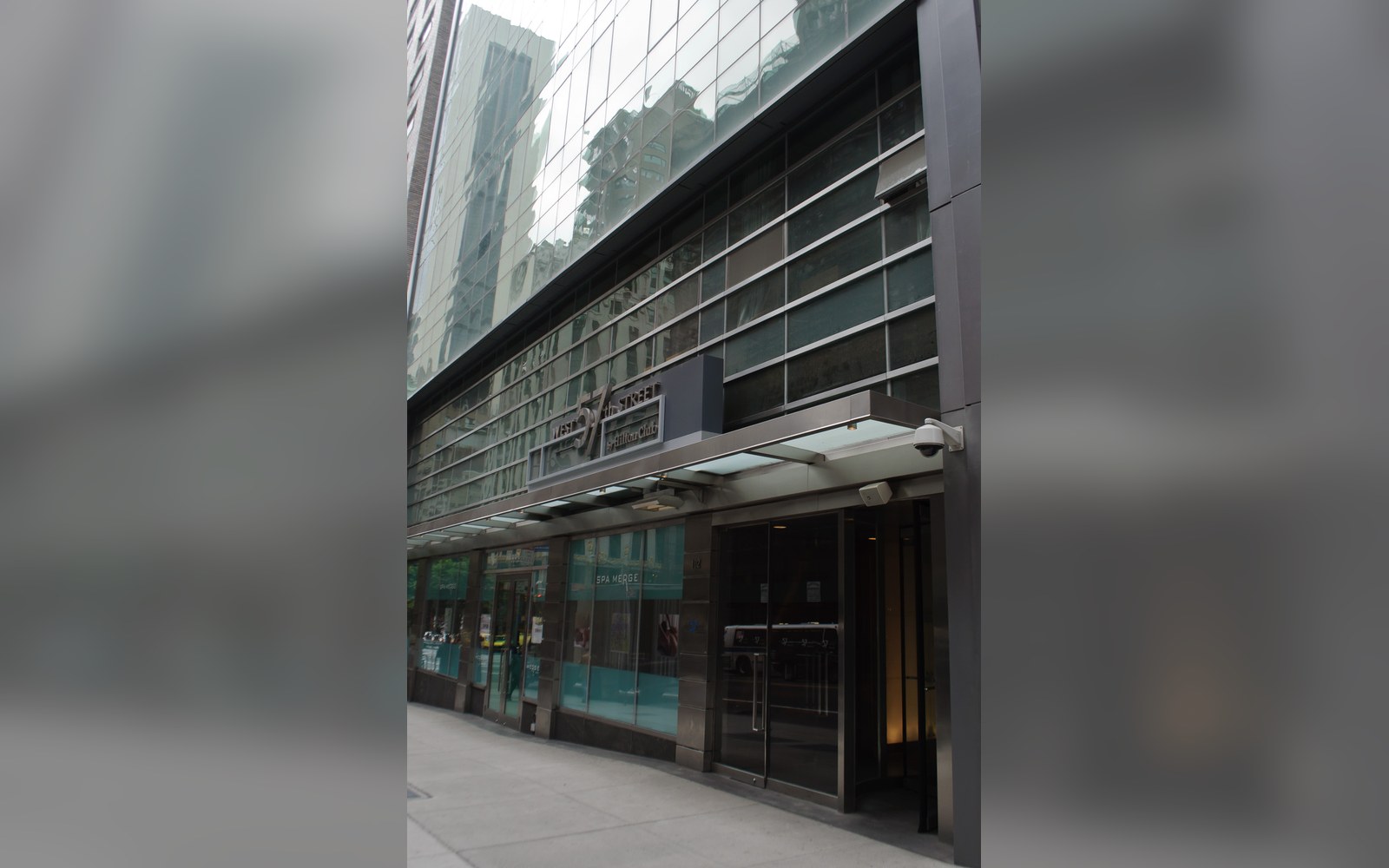
Elsewhere in 57th Street: Marian Goodman Gallery, 24 West 57th Street, opened 1977 — a transatlantic programme that stayed uptown after the migration. Marian Goodman and the Last Great 57th Street Gallery
Photo: West 57th Street by Hilton Club, New York · Wikimedia Commons
| Knoedler & Company | oldest occupant; gave the building its initial institutional credibility |
|---|---|
| Acquavella Galleries | blue-chip secondary-market dealer; maintained long-term presence |
| André Emmerich Gallery | Color Field and European modernism; key 57th Street programme |
| Pace Gallery | dominant anchor from the 1960s through to the Chelsea migration; represented Rothko, Newman and others |