What Sidney Janis Brought Over
The dealer at 15 West 57th Street who introduced Mondrian and Léger to America, then used the same rooms to detonate Abstract Expressionism
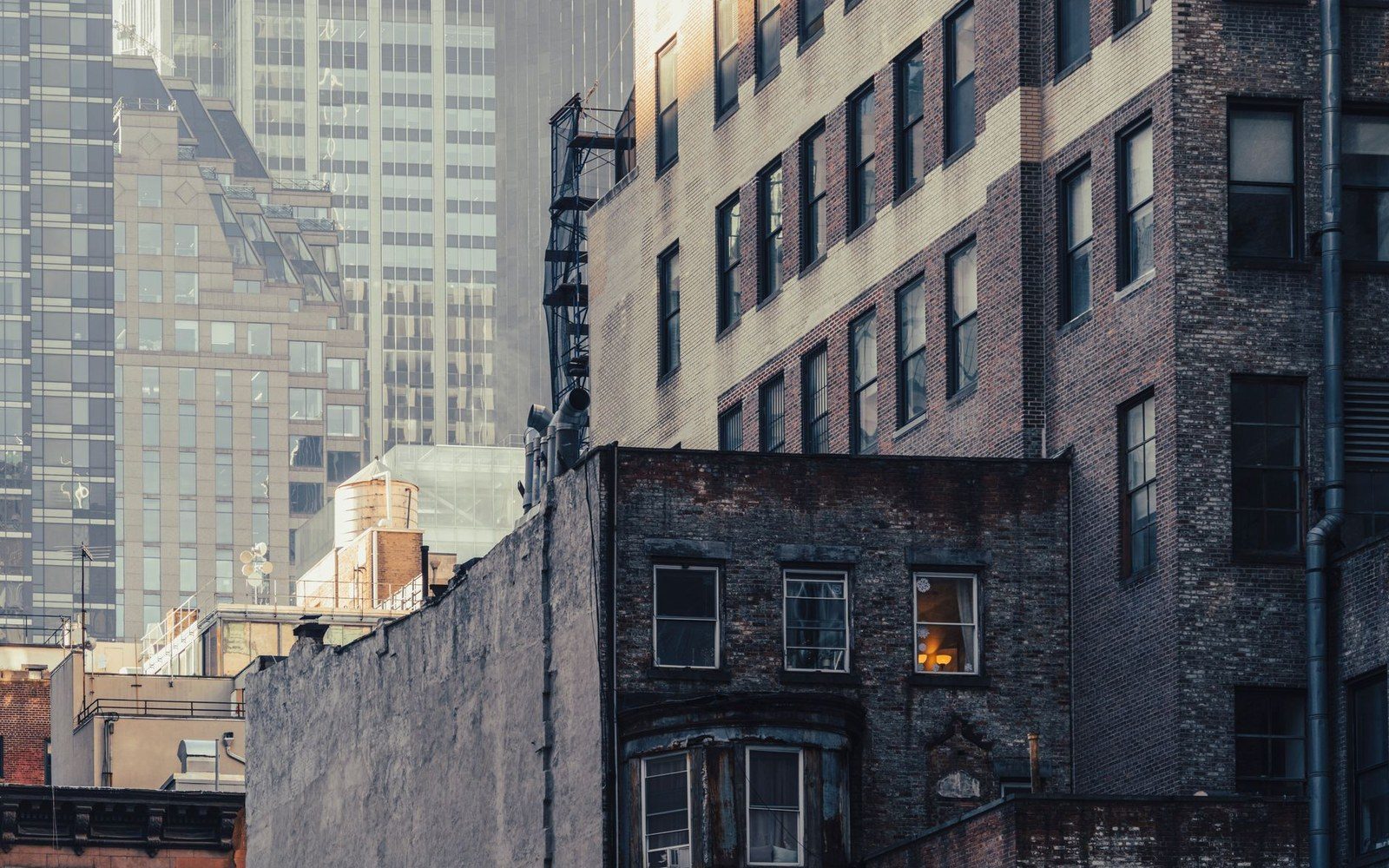
Sidney Janis Gallery at 15 West 57th Street, where Mondrian, Léger and de Kooning hung in the same rooms.
Photo: Harry Xie / Pexels
A Collector Who Became a Dealer
Sidney Janis opened his gallery at 15 West 57th Street in 1948 already carrying unusual authority. Before he dealt, he collected — and he wrote. His 1944 book Abstract and Surrealist Art in America documented a generation of European émigrés and their American inheritors at a moment when most museums had not yet committed to either. That research gave Janis a map of who mattered and why, and when he opened the gallery he converted the map into a programme.
The first beneficiaries were the Europeans he had studied. Piet Mondrian had died in New York in 1944, but his market needed building, and Janis built it. Fernand Léger and Joan Miró were alive and exhibiting in Europe; Janis became the American address for their work, staging shows that positioned them not as curiosities but as the structural logic behind what younger painters were attempting. The message was historical and commercial at once: if you wanted to understand de Kooning, you needed to have looked at Mondrian.

The back office is where a district is actually run: leases, shipping schedules and the artists’ accounts.
Photo: Nic Wood / Pexels
The Abstract Expressionist Rooms
The argument paid off. Through the late 1940s and into the 1950s, Janis signed the painters who were remaking American art. Willem de Kooning joined the gallery in 1953, and his first show there — the Women series — sold out and made news. Jackson Pollock had been with Betty Parsons, whose gallery on the ninth floor of 15 East 57th Street had been the first serious home for the New York School; when Parsons could not offer the commercial infrastructure the artists needed, Janis was positioned to absorb them. Mark Rothko, Franz Kline and Adolph Gottlieb all came to 15 West 57th. By 1960, Janis held a position that no other single dealer in New York matched: he represented both the canonical Europeans who had validated Abstract Expressionism intellectually and the American painters who had carried that validation into new territory.
That concentration of trust is what made the rupture of 1962 so definitive. In November of that year, Janis mounted The New Realists — an exhibition that gathered American Pop artists alongside European Nouveau Réalistes, placing Roy Lichtenstein, James Rosenquist, Andy Warhol and Claes Oldenburg in the same rooms where Rothko and de Kooning had been shown. The show was not tentative. It was a declaration that the next movement had arrived and that Janis was already inside it.
- 1944Janis publishes Abstract and Surrealist Art in America, establishing his scholarly authority before he deals
- 1948Sidney Janis Gallery opens at 15 West 57th Street
- 1953Willem de Kooning joins the gallery; Women series sells out
- November 1962The New Realists exhibition opens; Mondrian, Léger framework meets Pop and Nouveau Réalisme
- Late 1962Rothko, Gottlieb, Guston, Motherwell resign from the gallery
The Abstract Expressionists read it as a betrayal. Rothko, Guston, Gottlieb and Motherwell resigned from the gallery in the weeks that followed. Their departure was as much a statement as the show itself: one of the decisive public arguments in postwar American art played out not in a museum or a magazine but in the commercial structure of a single dealer's client list. The Whitney Museum of American Art and MoMA would eventually write the canonical account of that transition, but Janis created the conditions under which the argument had to happen.
Why the Position Was Irreplaceable
What Janis had that most dealers lacked was historiographical confidence — the willingness to treat his own gallery as evidence of a continuous argument about Western modernism, not simply a succession of saleable shows. The European programme and the American programme were always in dialogue at 15 West 57th. Mondrian's grids and de Kooning's slashes were being offered as chapters in the same story.
The New Realists did not end that argument; it advanced it. Pop's engagement with mass-produced imagery was, in part, a response to the perceived hermeticism of Abstract Expressionism, and Janis understood that. The painters he lost in 1962 did not forgive him, but the record shows he was reading the room — the art-historical room, not just the commercial one — with the same precision he had brought to 15 West 57th when he opened fourteen years earlier.
The argument paid off.
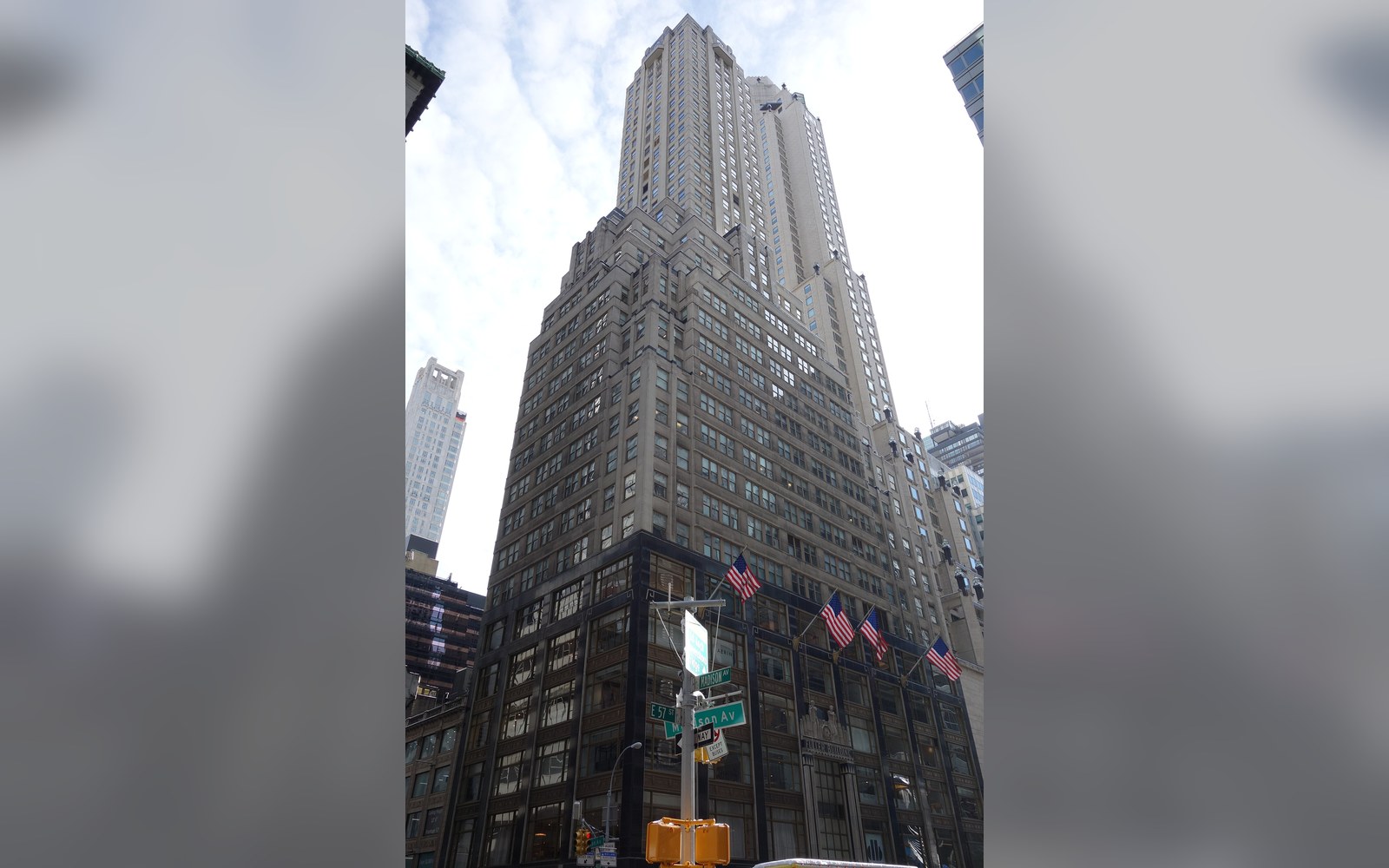
Elsewhere in 57th Street: Pierre Matisse Gallery, 41 East 57th Street in the Fuller Building — the most European address in the American trade. Henri's Son, Dealing on 57th
Photo: 57th St Madison Av td 17 - Fuller Building · Wikimedia Commons