Frieze Moves Off the Island
From Randall's Island to Hudson Yards: what a fair's address tells you about who it's for.
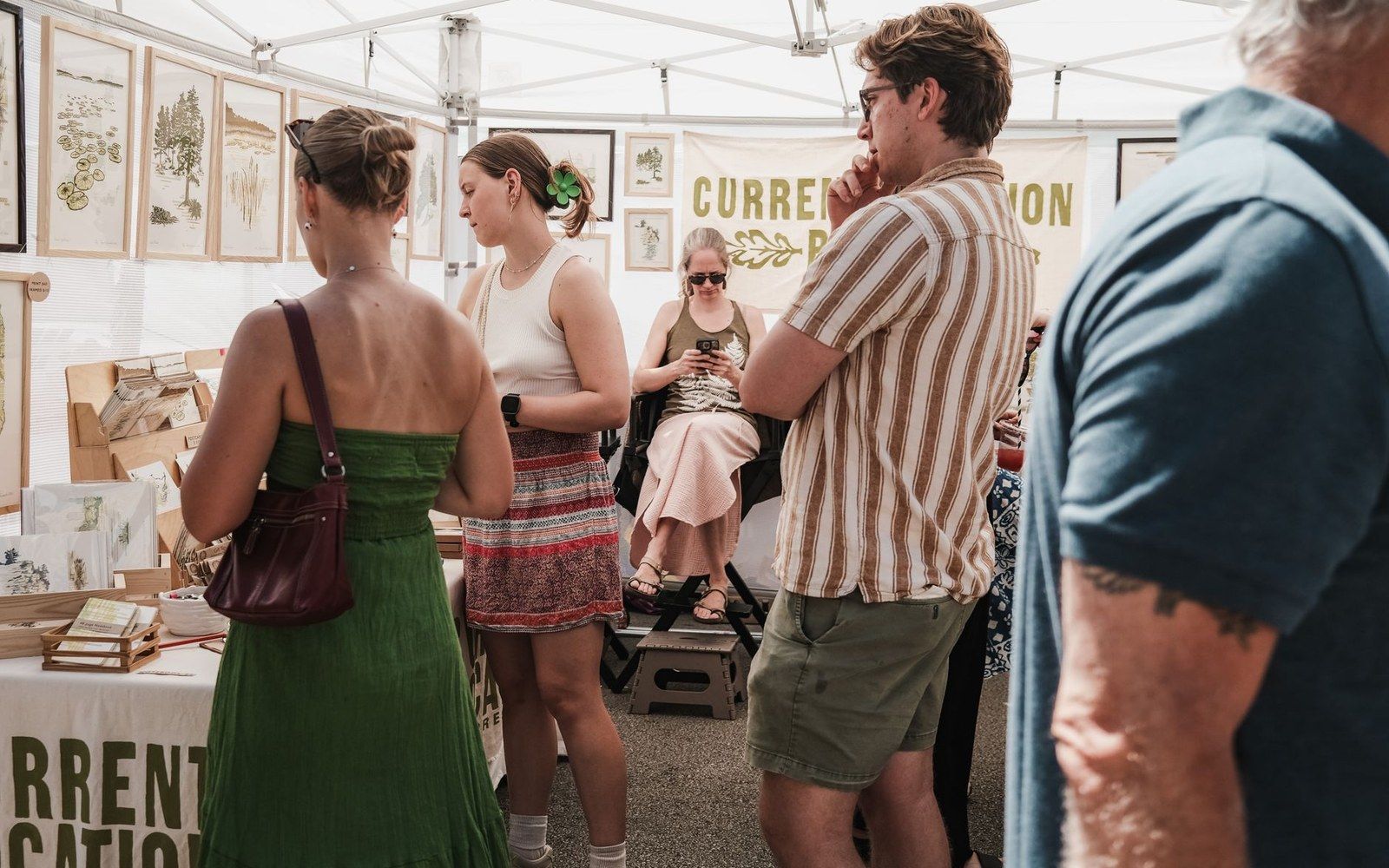
Frieze New York, from the Randall’s Island tent of 2012 to the Shed at Hudson Yards.
Photo: Airam Dato-on / Pexels
From Tent to Tower Neighbor
Frieze New York launched in May 2012 on Randall's Island, a 480-acre park sitting in the East River between Manhattan, the Bronx, and Queens. The site was deliberately inconvenient — accessible only by ferry, shuttle bus, or a long walk across the Triborough Bridge — and that inconvenience was half the point. The fair occupied a purpose-built tent designed by Elizabeth Diller of Diller Scofidio + Renfro, a structure roughly 250,000 square feet that let natural light fall across the booths while framing views of the river and the Midtown skyline. For a week each spring, the island became a temporary art fair principally populated by VIP collectors, art-world professionals, and the committed curious. The friction of getting there kept the crowds curated.
That friction was also a liability. Rain turned the shuttle queues miserable. Logistics for galleries shipping large sculpture were genuinely taxing. And the audience remained, by design or by default, narrower than the London fair's. After a decade of tents on the grass, Frieze announced a move to the Shed, the purpose-built cultural center that opened at Hudson Yards in 2019, designed by Diller Scofidio + Renfro together with Rockwell Group. The first Hudson Yards edition ran in 2022.
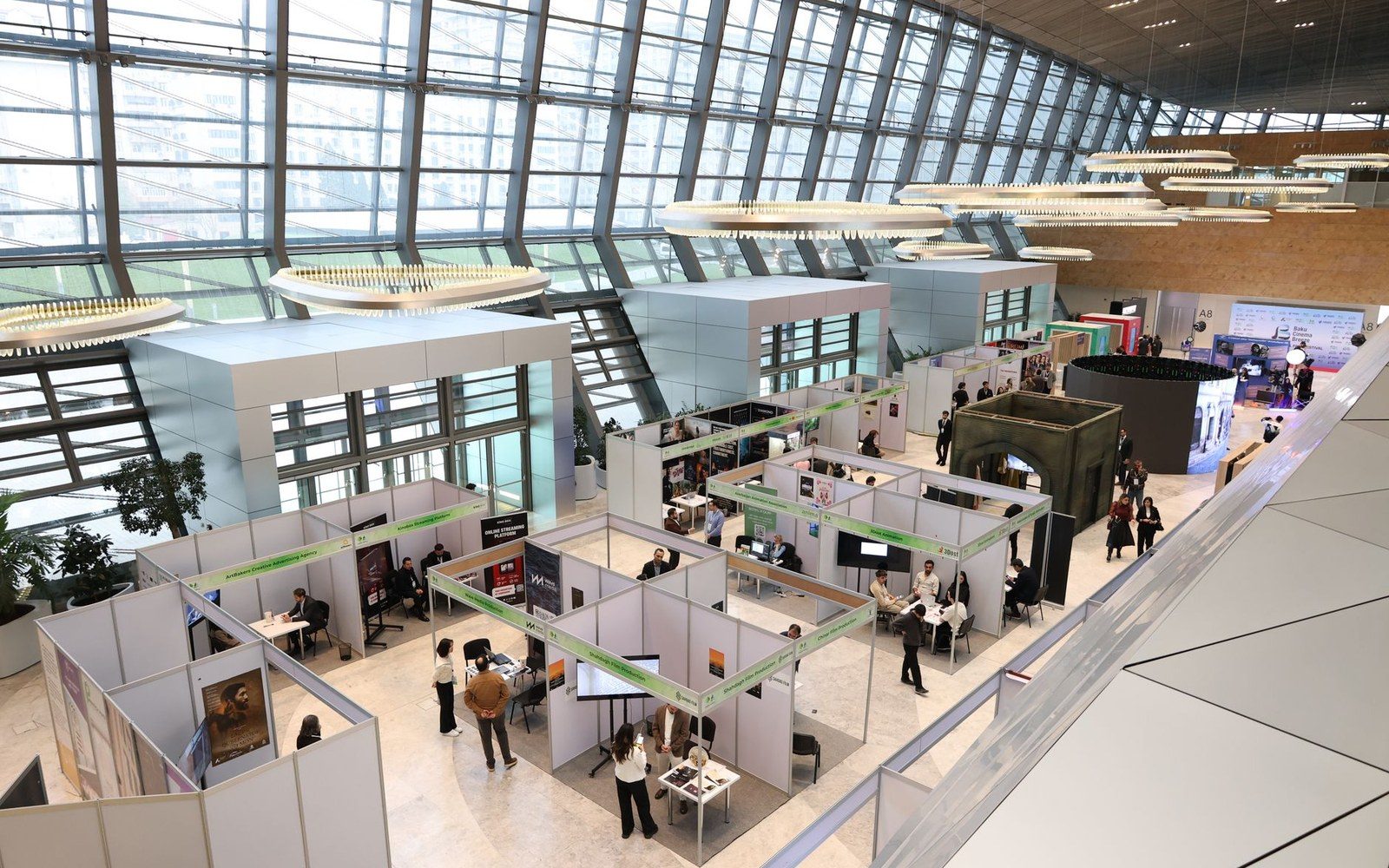
A hall hired for five days, where the route between dealers is built rather than found.
Photo: Tahir Xəlfəquliyev / Pexels
The contrast between the two sites is sharp. Randall's Island offered visual spectacle and geographic remove; the Shed offers infrastructure, climate control, and a subway stop. Hudson Yards sits at the far western edge of Midtown, adjacent to a luxury retail and residential complex that has attracted sustained criticism for its demographic narrowness. Placing the fair there trades pastoral tent-culture for proximity to the city's newest concentration of high-end spending — a trade whose symbolism is hard to miss.
What the move signals for the broader gallery geography is less a shift toward downtown than a consolidation around power. Chelsea's gallery blocks on West 22nd and West 24th Street lie within easy walking distance of Hudson Yards. For working galleries, that adjacency is practical. For the fair as a cultural proposition, the question is whether the Shed's civic ambitions — its founding mandate describes it as a space for artists without a home elsewhere — survive contact with the commercial pressure that a major international fair brings through its doors.
- 2012Frieze New York debuts on Randall's Island under Diller Scofidio + Renfro tent
- 2019The Shed opens at Hudson Yards (DS+R / Rockwell Group)
- 2022Frieze New York relocates to the Shed for its first Hudson Yards edition
The contrast between the two sites is sharp.
Elsewhere in Downtown: SANAA’s New Museum, 235 Bowery, opened December 2007 — stacked volumes in aluminium mesh, built new rather than adapted. The Stacked Boxes on the Bowery
Photo: Paul G / Pexels